Will Bleach and Tone Work on My Hair? How to Know If You're a Candidate
Bleach and tone may work for your hair if its current strength, previous chemical treatments, and your target shade are compatible. Your natural color alone does not decide candidacy. Dark, untreated hair can be a better starting point than lighter hair that has already been repeatedly bleached.
The strongest candidates generally have little breakage, a clear color history, and flexibility about how light they go. An at-home assessment can highlight concerns, but an in-person consultation at Salon Sanaa is important before proceeding. Hair condition and a representative strand test help distinguish an achievable blonde from a change that could compromise your length.
What Bleach and Tone Requires From Your Hair
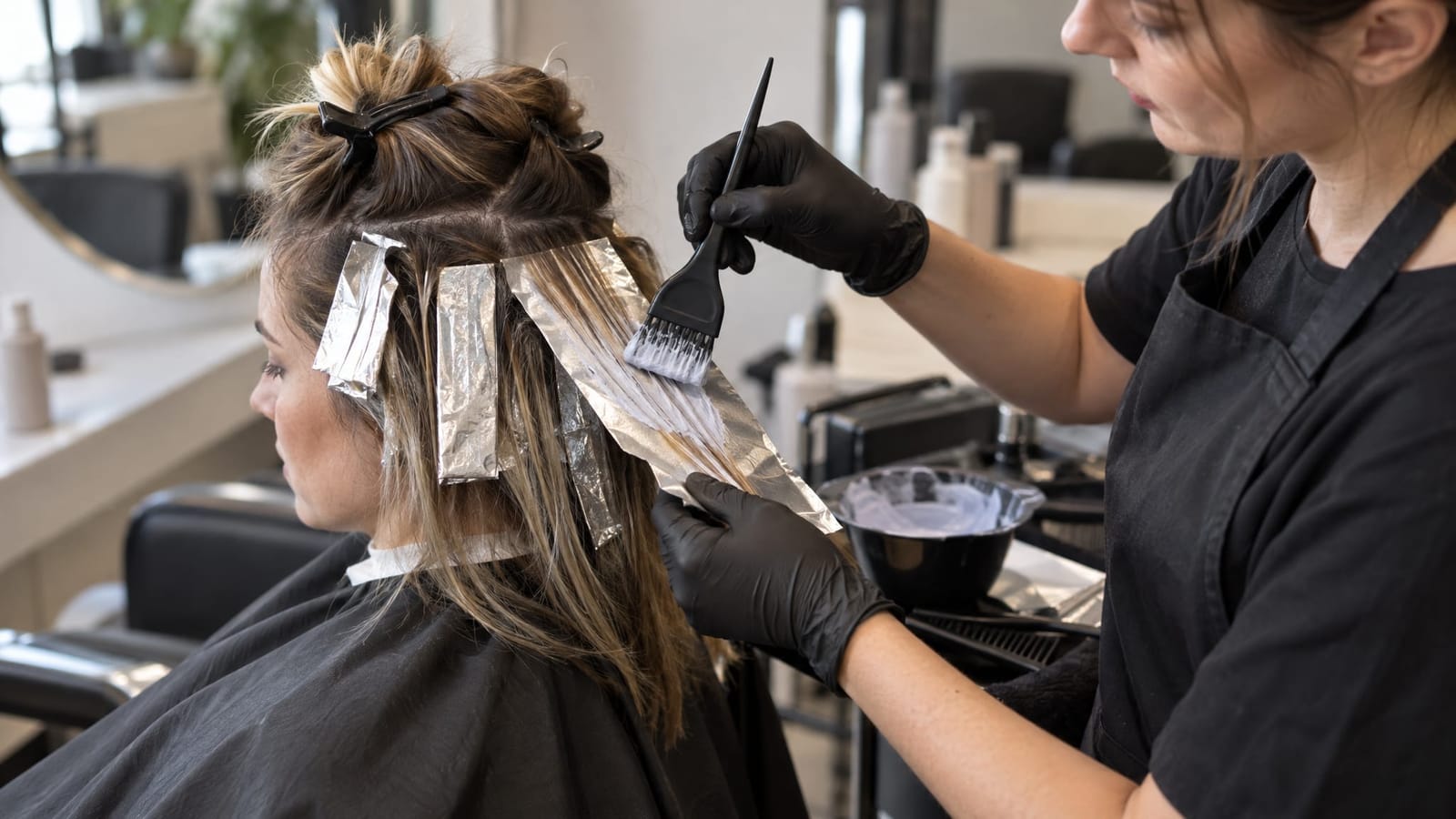
Bleach lightens hair by breaking down pigment. Toner then refines the exposed color, helping create a warmer, cooler, or more neutral finish. Toner cannot substitute for sufficient lightening: hair that remains orange will not become pale platinum simply by adding an icy toner.
Lightening also changes the hair fiber. The key question is not just whether your hair can become lighter, but whether it can reach the needed starting shade for your toner while retaining acceptable strength and texture.
Porosity and Strength: Useful Clues, Not a Home Approval Test
Porosity describes how readily hair takes up and releases moisture. It matters because porous areas can respond differently to lightener and toner. However, porosity and strength are not the same thing. Neither a porosity label nor a smooth finish proves that hair can tolerate bleaching.
Look for differences along the length
Compare your roots, mid-lengths, and ends during your normal wash and styling routine. Useful observations include:
- Uneven texture: Ends feel much rougher or tangle more readily than newer growth.
- Existing breakage: Strands snap during ordinary detangling or handling.
- Changes when wet: Previously processed sections feel gummy or unusually stretchy.
- Uneven color behavior: Certain sections repeatedly grab toner darker or lose color faster.
These are details to discuss during a consultation, not a diagnosis. Naturally textured hair, product buildup, and styling habits can also affect how hair feels.
Be cautious with float and stretch tests
The popular water-glass test, which classifies a strand by whether it floats or sinks, is not a reliable stand-alone measure of bleach readiness. Surface residue and how the strand wets can influence what happens. Deliberately pulling wet hair until it breaks is not a useful substitute for professional assessment either.
A strand test using the proposed color process answers a more relevant question: how does this section actually lighten, and what condition is it in afterward?
Your Starting Color Changes the Plan
Natural, previously uncolored hair
Untreated hair avoids the complication of artificial pigment, but that does not make every blonde target suitable. Starting depth, strand thickness, existing wear, and the amount of lift required still matter. Fine hair is not automatically unsuitable, and coarse hair is not automatically resistant to damage.
For example, a dark natural brunette seeking a warm blonde has a different goal from someone seeking nearly white platinum. The second target requires a lighter underlying base, which may conflict with keeping the current length and texture.
Previously dyed or lightened hair
Artificial color can make lightening less predictable, especially when repeated applications have created darker bands. Previously bleached ends may already be much more fragile than the roots.
A dark permanent color applied over blonde does not erase the earlier bleaching. That full history matters even when the hair currently looks uniform. Uneven starting points may call for color correction rather than a straightforward bleach-and-tone service.
Previous Chemical Services That Matter
Include more than your last color appointment when reviewing your hair history. Treatments still present in the lengths can affect the plan long after the roots have grown out.
- Highlights and previous bleaching: Identify where lightened sections remain, including underneath darker color.
- Perms and chemical relaxers: These alter the hair structure and add another consideration before lightening.
- Smoothing treatments: Bring the treatment name and approximate date, since formulas and compatibility differ.
- At-home color, henna, and gradual color products: Packaging or ingredient details help clarify what is on the hair.
- Color removers: Removing visible pigment does not return processed lengths to their original condition.
Also mention frequent high-heat styling and persistent breakage. A glossy appearance after styling can hide differences in condition.
What an In-Person Consultation Helps Decide
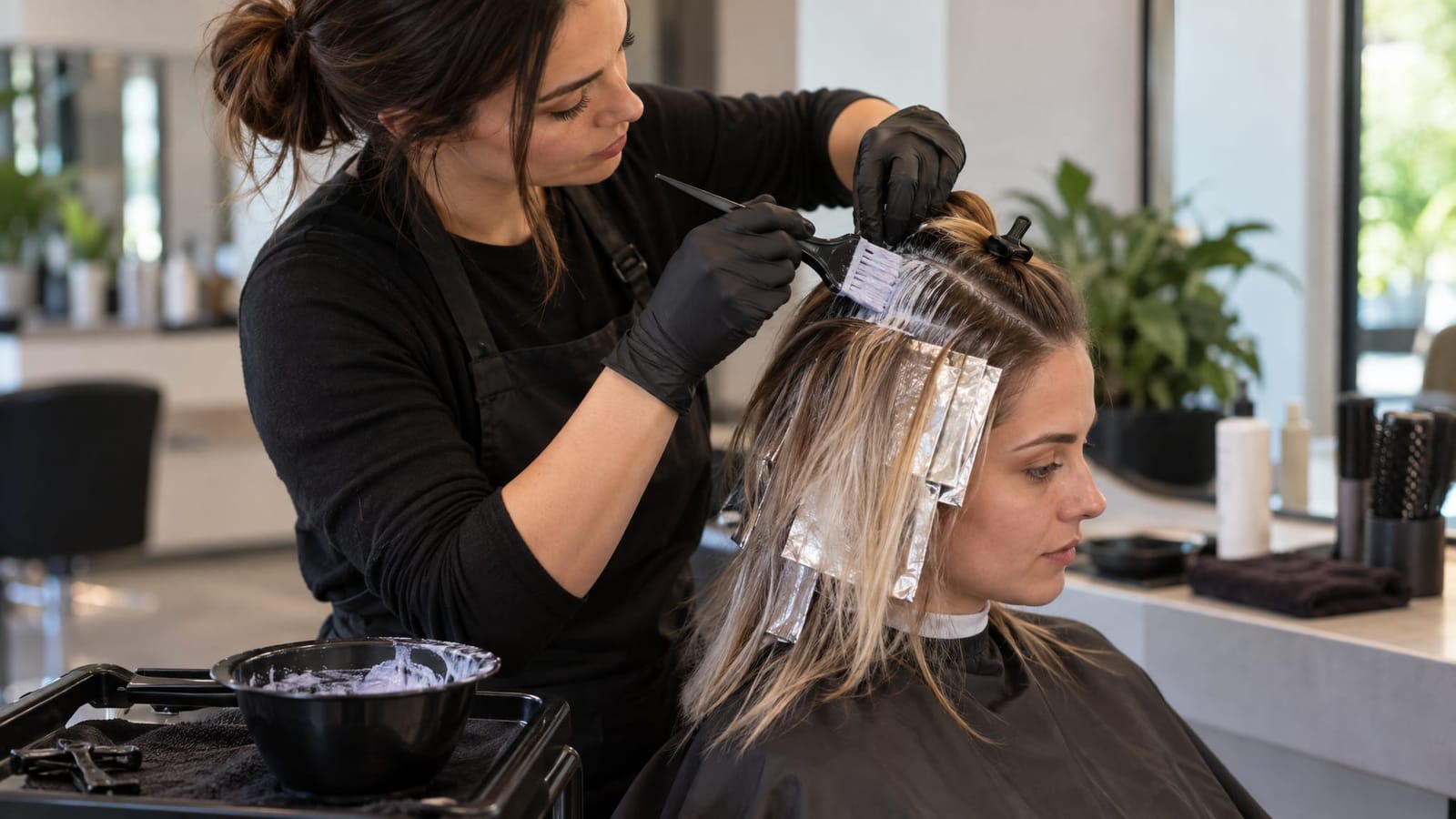
We offer Bleach & Tone at Salon Sanaa in Farmington Hills. An in-person consultation connects your goal with the condition of the hair that needs to reach it, rather than judging candidacy from a photo alone.
Bring a goal photo, a photo of a shade you would not want, and a simple timeline of previous treatments. Make your priorities clear: keeping length, preserving curl definition, reaching a cool blonde, or minimizing upkeep may lead to different choices.
A useful assessment addresses:
- Condition by section: Roots, previously colored bands, and ends may need different treatment.
- Strand-test results: The amount and evenness of lift matter alongside the strand's condition afterward. Different areas may need separate tests.
- A realistic stopping point: A warmer or deeper blonde may fit the hair better than platinum.
- Maintenance: All-over blonde creates visible regrowth and requires ongoing attention to previously lightened areas.
Possible outcomes include proceeding, choosing a less ambitious shade, limiting lightening to selected sections, or postponing it because of existing damage. Highlights still involve processing; they are not automatically a damage-free alternative. Multiple appointments can provide opportunities to reassess, but they do not make every target achievable.
Common Questions About Bleach-and-Tone Candidacy
Can curly hair have bleach and tone?
Yes, curls do not automatically rule it out. Lightening can affect curl definition, so preserving the pattern belongs in the consultation alongside color and length goals. A test section helps show how the hair responds.
Does gray or white hair need bleaching?
Not necessarily. White strands may already be light enough for the desired tonal adjustment, while darker strands within a gray blend may need lift. The proportion and distribution of those strands affect the approach.
Will waiting or using conditioning treatments make damaged hair ready?
Waiting allows new growth, but it does not turn processed lengths back into untreated hair. Conditioning can improve feel and manageability without reversing existing chemical damage. Candidacy depends on the condition at reassessment, not simply elapsed time.
The best candidate is not someone with a particular natural shade. It is someone whose hair condition and color history support the intended change, with a goal flexible enough to respect what the hair can tolerate.