Full Highlights vs. Partial Highlights: What's the Difference?
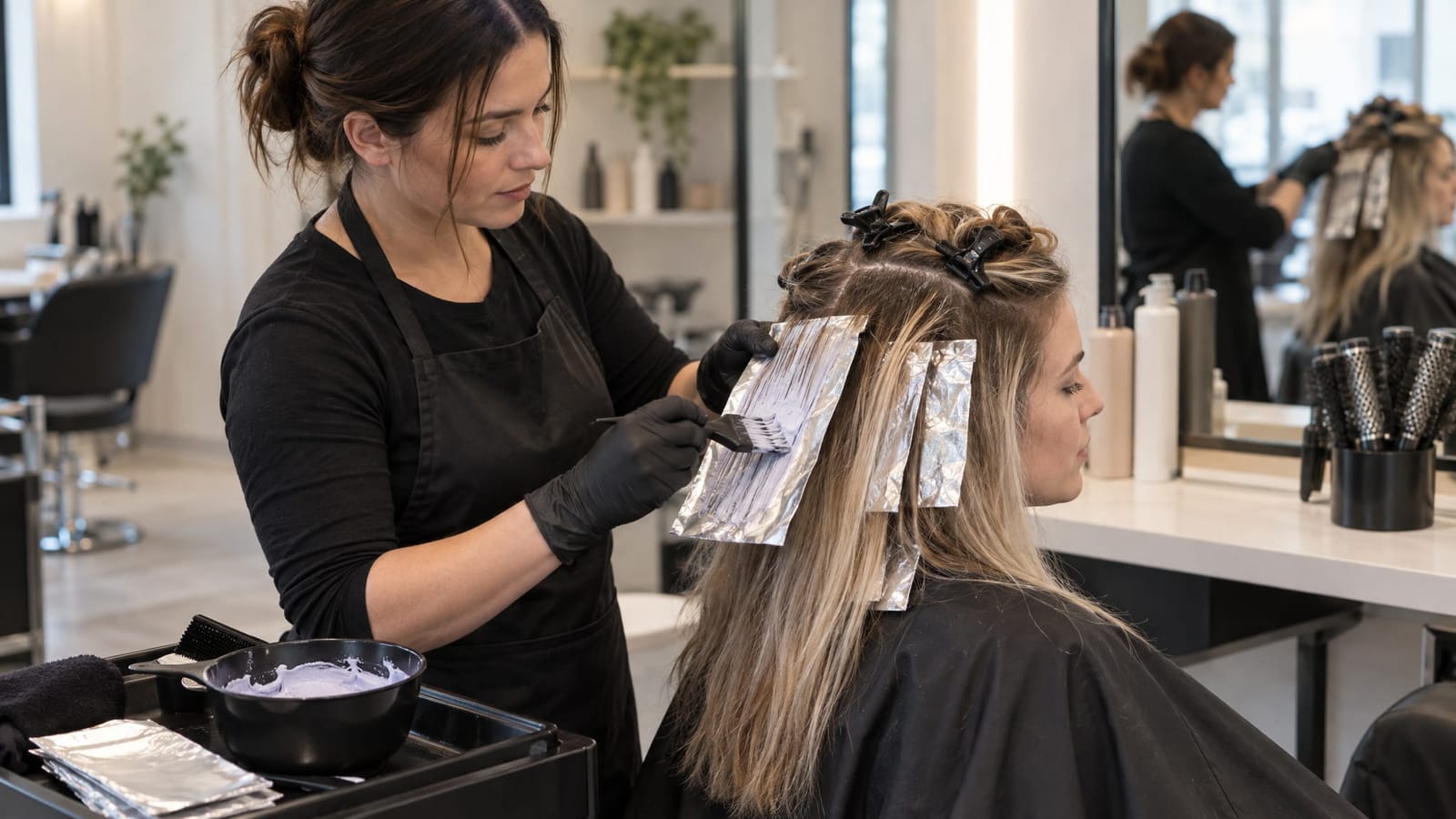
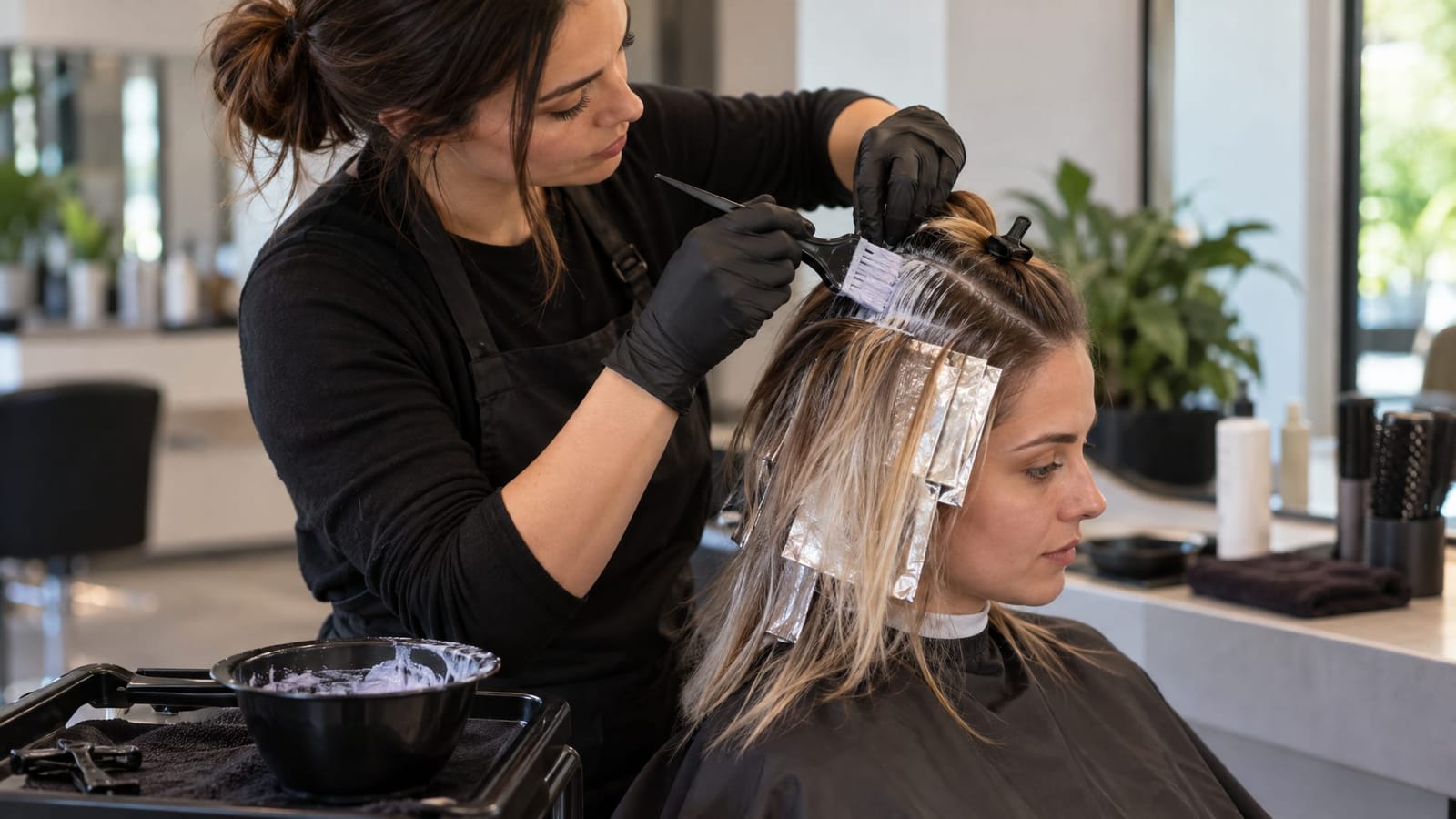
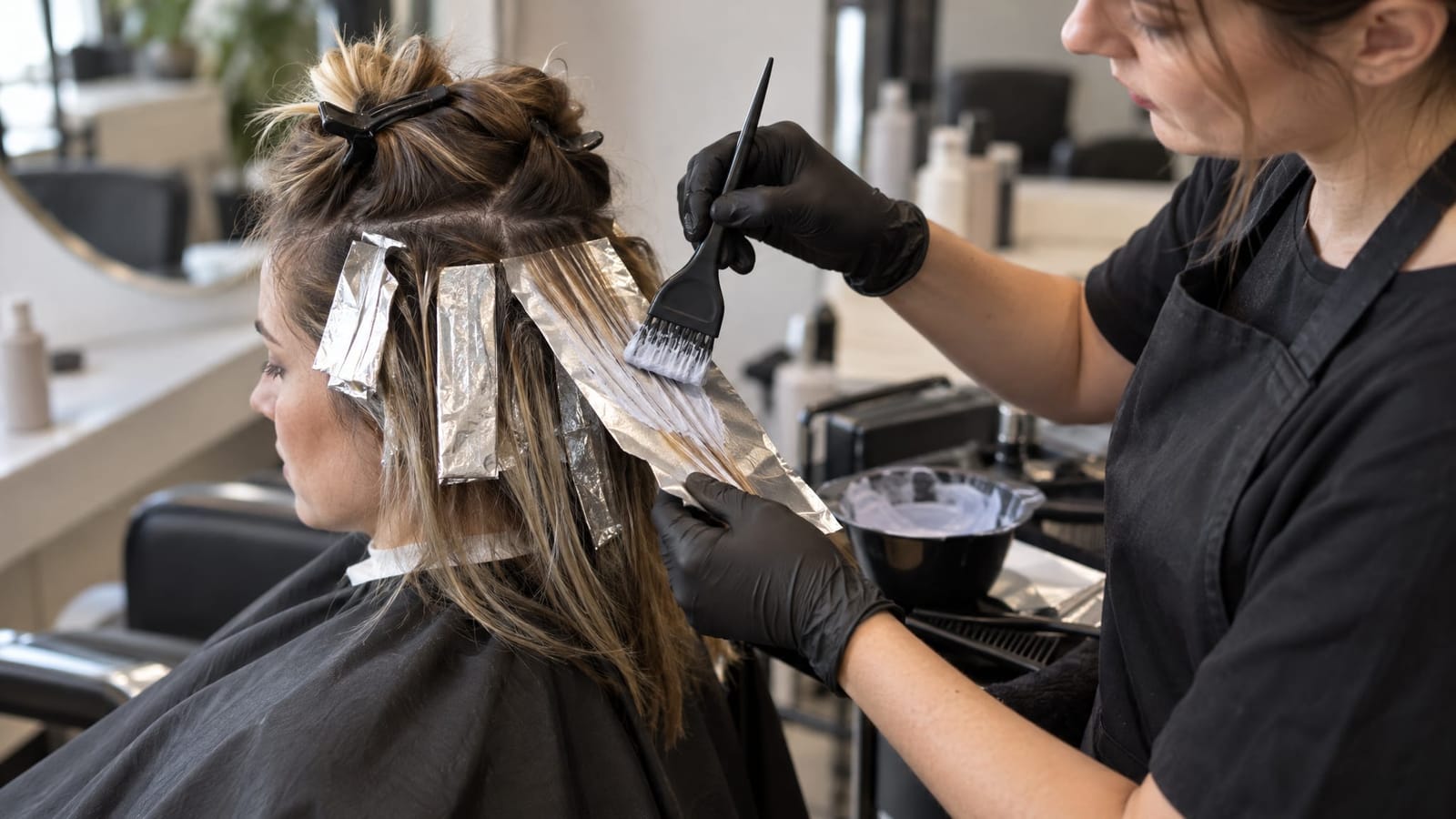
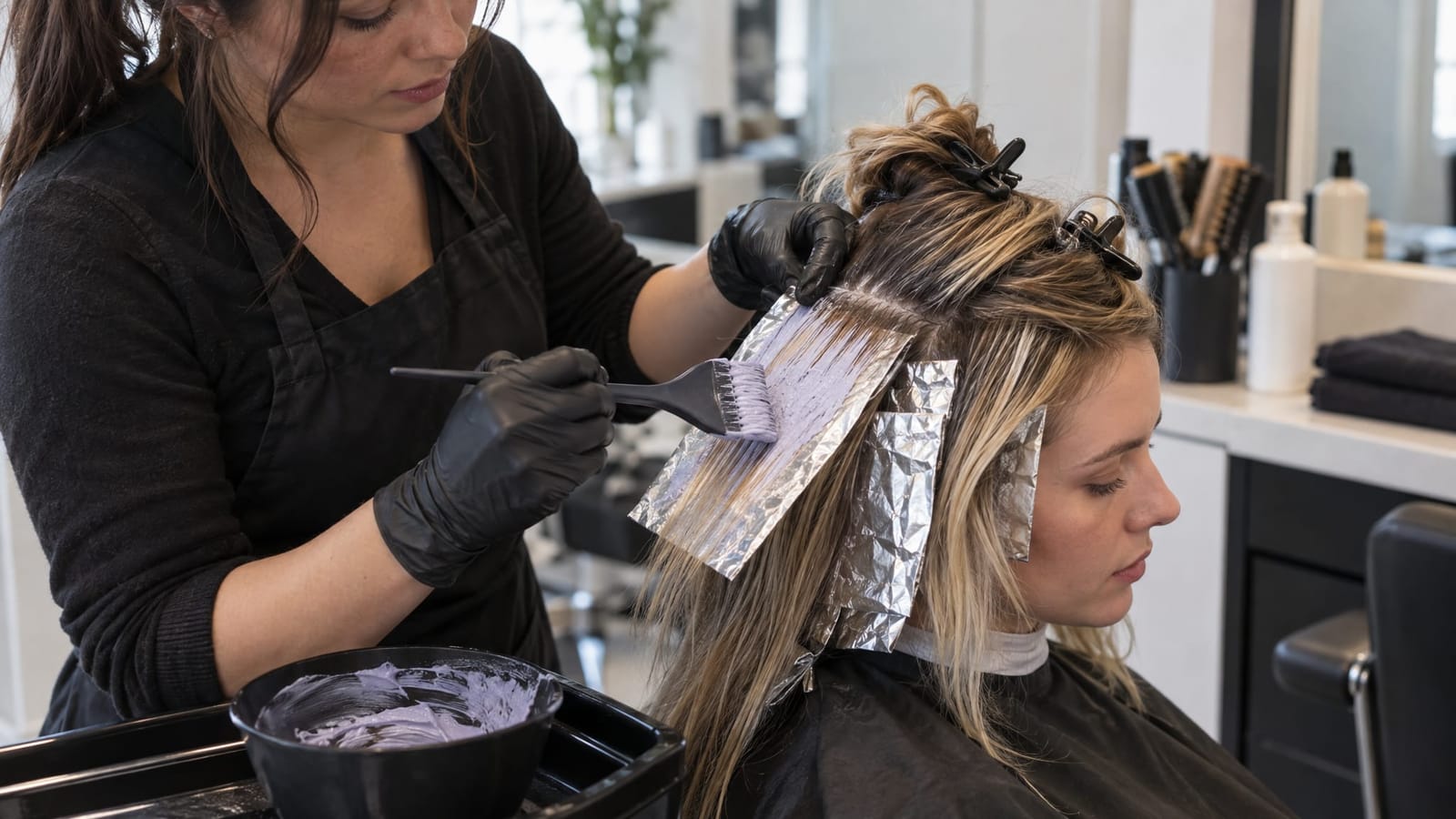
The main difference between full and partial highlights is where the lightened strands are placed. Full highlights distribute brightness throughout the head, including the sides, back and underneath sections. Partial highlights focus on selected areas, usually the hairline, part and upper layers, leaving more of the hair untouched.
Choose full highlights for brightness that carries through your whole hairstyle. Choose partial highlights when your priority is a brighter face frame or a refresh through the top. At Salon Sanaa in Farmington Hills, we offer both services. The better fit depends on your starting color, hair density, styling habits and maintenance budget.
Full vs. Partial Highlights at a Glance
| Comparison | Full Highlights | Partial Highlights |
|---|---|---|
| Placement | Selected strands throughout the head | Selected strands in targeted areas, often the top and hairline |
| Visual effect | Brightness distributed through more of the hairstyle | Brightness concentrated around the face and surface layers |
| Underlying color | More opportunities to lighten the back and underneath | More of the underlying color remains untouched |
| Time and cost | Generally higher for comparable hair and finishing services | Generally lower because fewer areas are treated |
Coverage vs. Brightness: They Are Not the Same Thing
Both services lighten selected strands rather than every strand. “Full” describes the spread of the highlights across the head, not a solid-color result. Neither service has a universal percentage of hair that needs to be lightened.
The final effect also depends on section size, spacing, tone and contrast with your base color. Fine, closely spaced highlights create a different result from thicker, more separated ribbons. A full highlight with subtle contrast can look softer than a partial highlight with a bold blonde face frame.
Partial highlights also do not necessarily mean face-framing pieces alone. They can extend across the crown and upper sides. The important detail is which areas the placement includes, especially if you want brightness visible at the back or underneath.
Which Fits Your Hair Density and Styling Habits?
Dense hair: decide whether you want depth underneath
Hair thickness can mean the width of individual strands or the amount of hair on your head. For highlight placement, density matters because a large amount of darker hair underneath can keep the overall result looking deeper.
For dense brunette hair, partial highlights can create a bright surface while preserving a darker interior. That contrast can be attractive and intentional. Full highlights are a better match when the goal is to carry lightness through those deeper layers, too.
Fine or lower-density hair: more coverage is not automatically better
On lower-density hair, selected highlights near the part and face can have a noticeable effect. Retaining some darker strands creates contrast and dimension. Full highlights remain an option, but placement and spacing matter more than simply adding more lightened pieces.
Updos and changing parts: think beyond the front view
If you usually wear your hair down with the same part, a partial highlight can concentrate brightness where it shows most. If you frequently wear ponytails, braids or half-up styles, the underneath and back become more visible. Full highlights offer more opportunities to connect those areas with the lighter top.
For example, a bright face frame with a deeper ponytail suits a dimensional look. Brightness running through both the face frame and ponytail calls for more distributed placement.
Cost and Chair Time: Compare the Whole Appointment
For otherwise comparable appointments, full highlights involve more sectioning, application and product than partial highlights. That additional work explains their higher time and cost commitment.
However, “partial” does not automatically mean a quick appointment. Long or dense hair, detailed placement and existing color can all affect the work involved. A dramatic shift from dark hair to light blonde is also different from refreshing established highlights, regardless of the service label.
When comparing service estimates, look at the complete appointment:
- Highlight placement: Which areas are included, and how much brightness is planned?
- Toner or gloss: Is a separate step included to refine the finished shade?
- Finishing: Does the estimate include a blow-dry or haircut?
- Existing color: Is the goal a routine refresh or a more involved color change?
A lower initial cost is most useful when the service delivers the placement you actually want.
Maintenance: Contrast Matters More Than the Label
Partial highlights leave more hair untouched, but they are not automatically lower maintenance. Bright pieces placed close to the scalp along a dark part line can show noticeable regrowth. Softer highlights with less contrast can grow out more discreetly, even when placed throughout the head.
Maintenance has two separate parts: refreshing placement as hair grows and maintaining the tone of previously lightened strands. A toner refresh changes the shade of those strands; it does not add highlights to new growth.
A useful maintenance plan can include full highlights to establish distributed brightness, followed by partial appointments to refresh the most visible areas. Over time, the back and underneath may need attention again to keep the overall effect balanced.
For a manageable routine, weigh how much root contrast you like, how bright you want to stay and whether darker underneath sections bother you. Those preferences are more informative than choosing “partial” solely because it sounds easier to maintain.
Frequently Asked Questions
Do both full and partial highlights need toner?
Toner is used when the lightened strands need their shade refined, such as softening unwanted warmth or creating a particular blonde tone. Whether it is useful depends on the result, not whether the highlights are full or partial.
Are full highlights the same as a bleach and tone?
No. Full highlights leave unlightened strands between the lighter sections. A bleach and tone generally aims for an all-over lightened base followed by tonal refinement. These create different levels of dimension and different regrowth patterns.
Can highlights cover gray hair?
Highlights can blend gray by reducing its contrast with surrounding strands, but they do not provide the same uniform coverage as a root-color service. Blending visible gray and covering it are different goals.
The Best Choice Is About Placement
Partial highlights suit targeted brightness while preserving more depth. Full highlights suit lightness distributed throughout the hairstyle. Matching that placement to how you wear your hair, your desired contrast and your upkeep preferences makes the choice more useful than judging either service by its name alone.