How Long Do Hair Highlights Last? Maintenance Tips From Farmington Hills Stylists
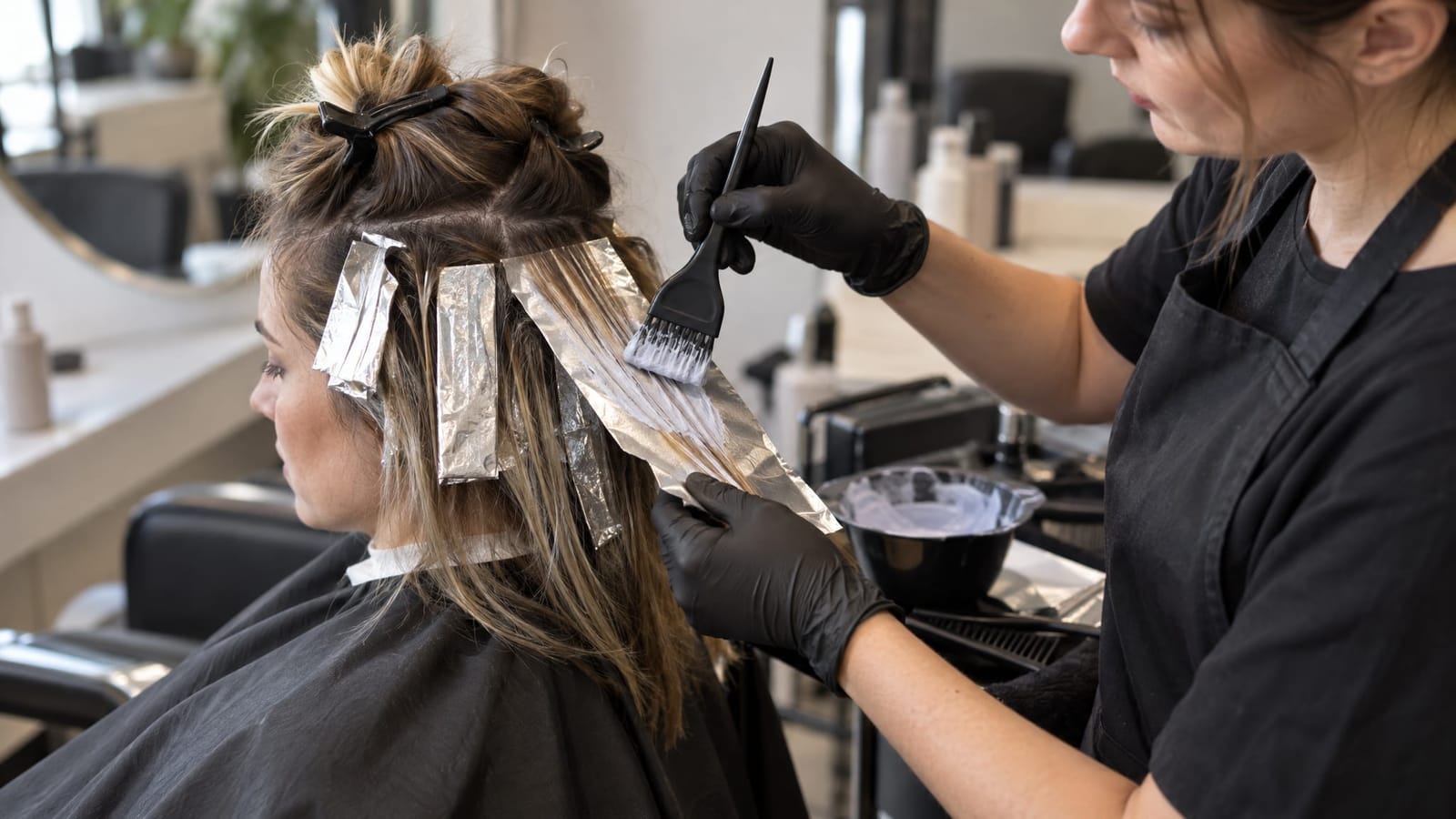
Highlights created with lightener are permanent on the treated hair. They do not simply wash out. What changes over the following weeks and months is the appearance of new roots, the tone of the lightened strands, and the condition of your hair.
Traditional highlights placed close to the scalp generally need refreshing sooner than softly blended balayage. Toner may need attention before either technique needs more lightening. These maintenance practices help you recognize what needs refreshing and keep your highlights looking their best between visits.
1. Match Your Maintenance Expectations to the Placement
How your highlights grow out depends largely on where they begin and how strongly they contrast with your natural color.
- Highlights close to the roots: New growth creates a more noticeable boundary, especially when bright blonde pieces sit against a darker base.
- Fine, blended highlights: Smaller sections can soften the contrast, but highlights beginning at the scalp still develop visible regrowth.
- Balayage with a natural root: A gradual transition leaves less of a defined line as hair grows, allowing more flexibility between lightening appointments.
- Bright face-framing pieces: These can draw attention to regrowth even when the rest of your color still looks blended.
For lower-maintenance color, the important choice is not simply “foils or balayage.” Root placement, brightness, and contrast all affect how noticeable grow-out becomes.
2. Account for Porosity, Not Just Your Highlight Technique
Porosity describes how readily hair takes in and releases moisture. Previously lightened or weathered lengths can be more porous, which can make deposited toner fade faster or take unevenly.
This explains why two people with similar highlights may need different maintenance. One may mainly notice roots, while the other notices warmer ends or an uneven tone first.
Condition the lengths regularly and detangle gently rather than pulling through knots. A conditioning treatment can improve softness and manageability, but it does not reverse the lightening process. If the ends feel rough, tangle easily, or keep looking dull, more bleach is not automatically the answer.
3. Choose Shampoo Around Color Care and Scalp Needs
Use a shampoo formulated for color-treated hair as your everyday starting point. A “sulfate-free” label alone does not describe the whole formula or guarantee that toner will last longer.
Build a routine around how your scalp actually feels:
- Wash when needed rather than following a rigid schedule solely to preserve color.
- Focus shampoo on the scalp instead of repeatedly scrubbing the lightened lengths.
- Use comfortably warm water rather than very hot water.
- Apply conditioner through the mids and ends, following the product directions.
Clarifying shampoo serves a different purpose from routine cleansing. Use it for buildup as directed, rather than automatically reaching for it whenever blonde looks dull. Dullness can also come from roughness or an unwanted tone.
4. Use Toning Products for the Right Color Problem
Purple shampoo deposits violet pigment to help counter yellow tones in blonde hair. It does not lighten roots, add highlights, or correct every kind of warmth. Orange or copper tones need a different approach from pale yellow.
Start with the product directions rather than treating purple shampoo as your default cleanser. Porous, very light ends can pick up more pigment than the rest of the hair, leaving them looking lavender, gray, or muted.
If the color starts looking flat or overly cool, pause the toning shampoo instead of increasing it. The goal is to balance warmth, not keep adding pigment indefinitely. A salon toner or gloss can address a tonal shift without repeating the highlighting service.
5. Limit the Exposure That Changes Tone and Texture
Sun exposure can contribute to color changes and weathering, while repeated hot-tool use can leave lightened hair feeling rougher. Protecting the hair’s condition helps preserve the overall appearance of your highlights.
- Outdoors: A hat provides a straightforward way to reduce direct sun exposure. Hair products labeled for UV protection can also be part of your routine.
- During styling: Apply a heat protectant as directed and use the lowest effective tool setting. Avoid repeatedly passing over the same section.
- After swimming: Rinse promptly with fresh water to remove pool water or salt, then cleanse and condition as needed.
These habits support maintenance, but they cannot stop natural root growth or make toner permanent.
6. Refresh the Part of Your Color That Has Changed
A refresh does not always mean another full head of highlights. Look at your hair in natural daylight and identify the change that bothers you most.
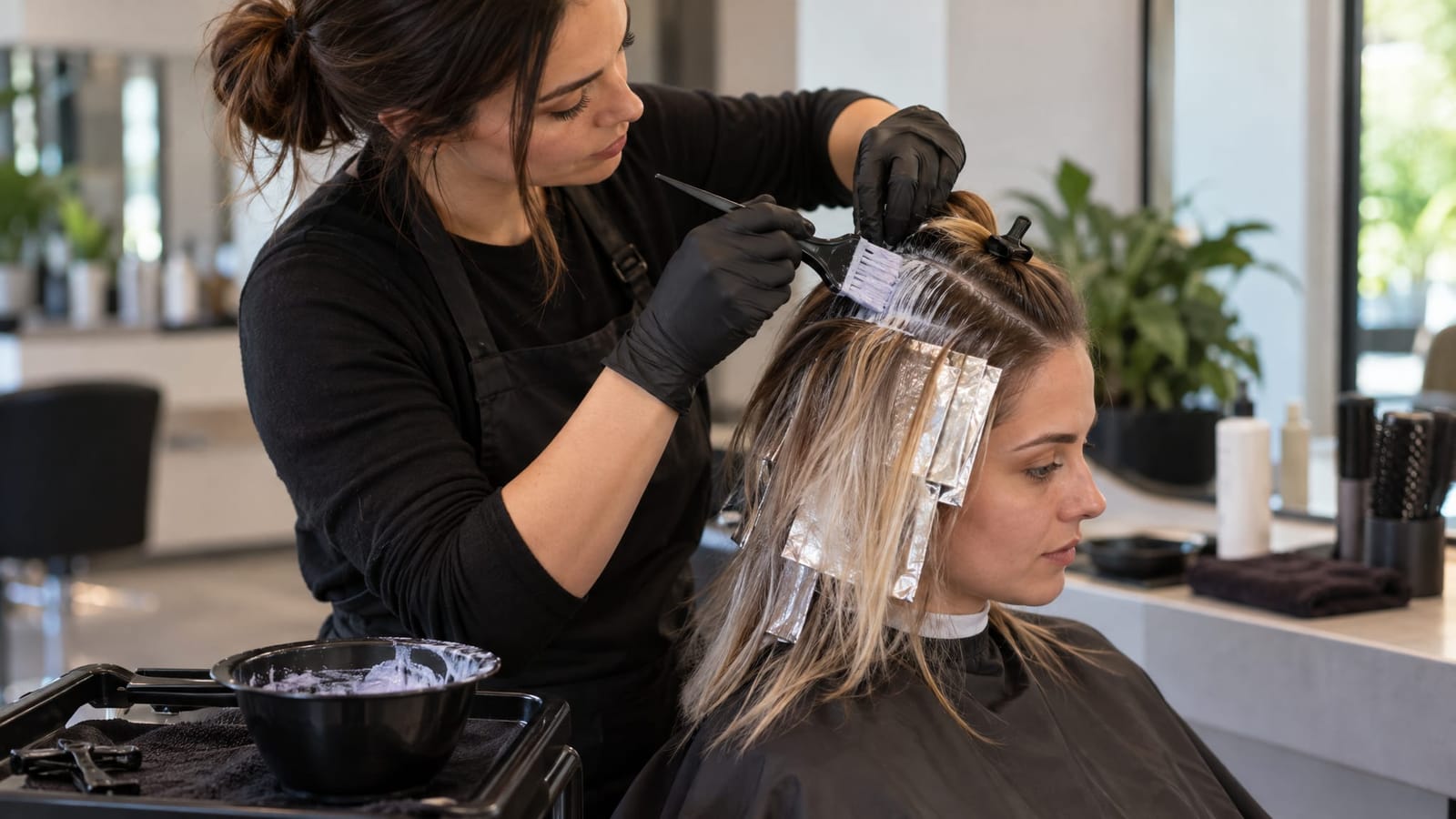
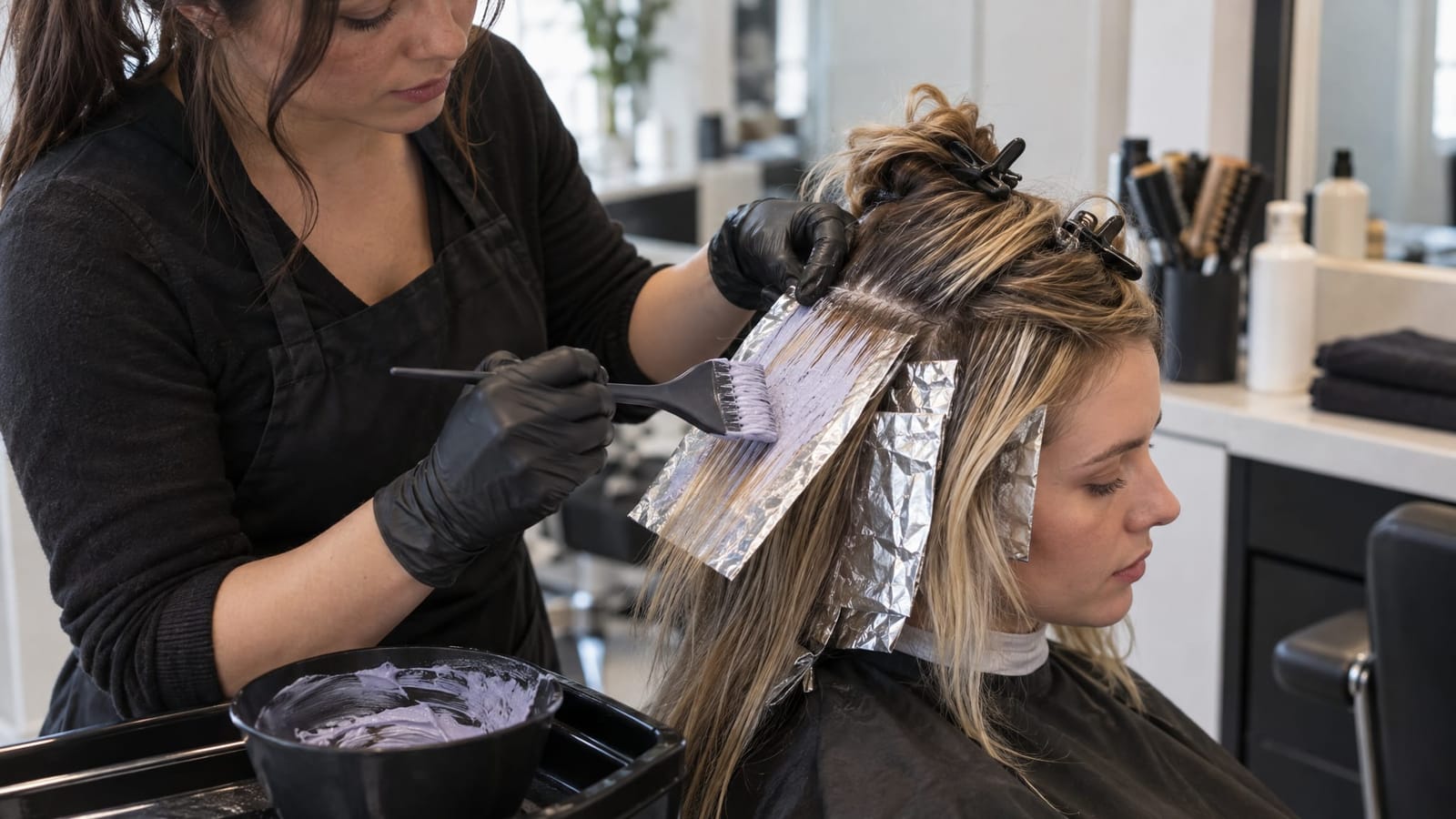
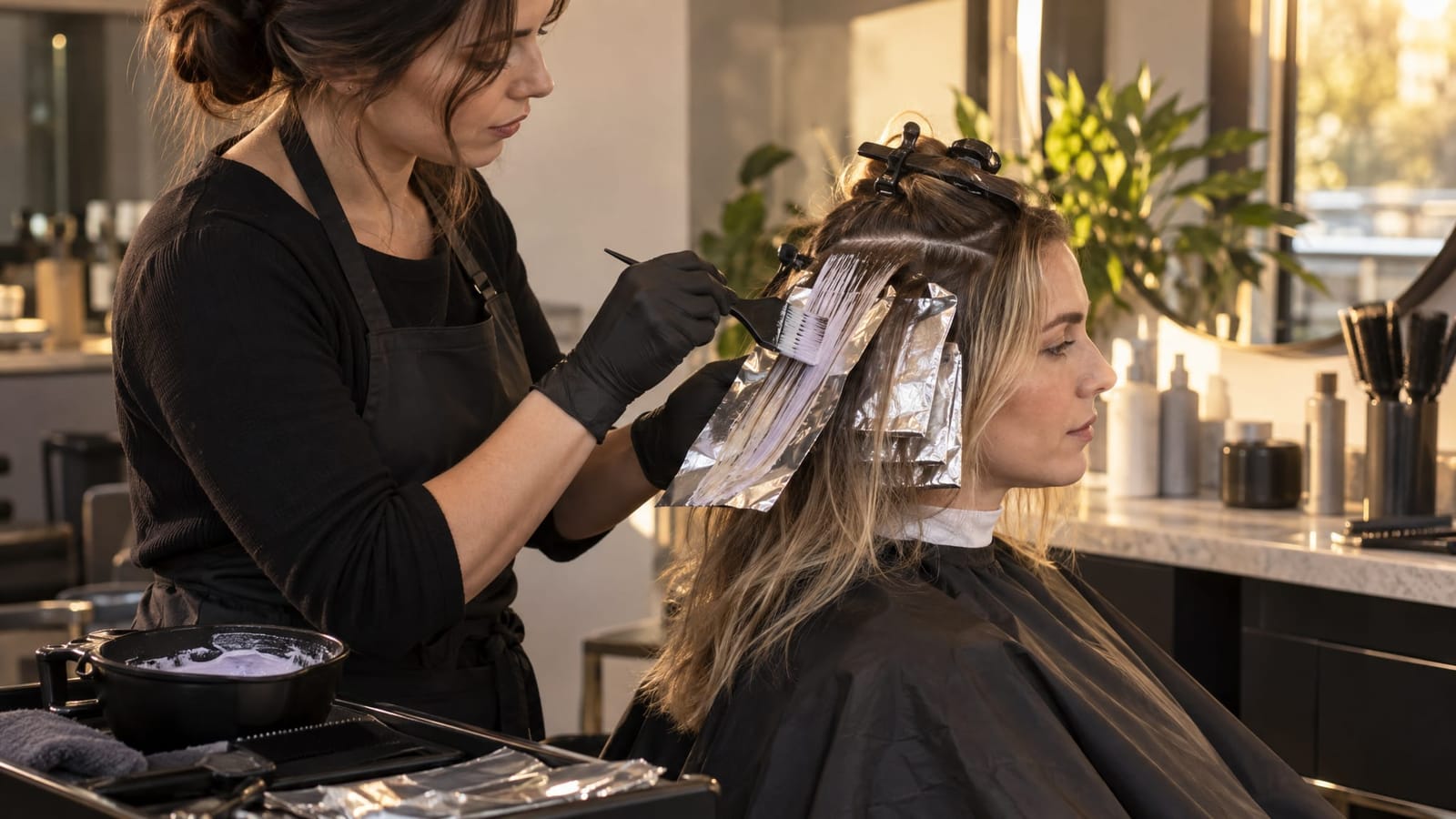
At Salon Sanaa in Farmington Hills, we offer toner/gloss, partial highlights, full highlights, and balayage. Each serves a different maintenance need:
- The brightness is right, but the blonde looks too warm: A toner/gloss may be the appropriate refresh.
- The hairline or part looks grown out: Partial highlights can focus on the visible areas without refreshing every section.
- You want renewed brightness throughout: Full highlights can address a broader distribution of regrowth and placement.
- You want a softer transition into your natural roots: Balayage placement can support that goal.
Previously lightened lengths do not need to be lightened again simply because roots have grown. Share your recent color history and whether your priority is brightness, tone, or softer grow-out. That helps shape the maintenance plan.
Frequently Asked Questions
Do highlights last longer on curly hair?
Curl pattern alone does not determine the refresh schedule. Highlight placement, contrast with your natural color, porosity, and home care matter more. Evaluate the color in the way you normally wear your hair, since curls and straight styling show placement differently.
Can I let my highlights grow out completely?
Yes. The lightened sections remain until they are cut away or colored over. A blended root transition can make the growing-out stage less noticeable, while regular trims gradually remove the highlighted ends.
Will highlights hide gray roots?
Highlights can help blend gray by reducing contrast between strands, but they are not the same as complete gray coverage. New gray growth can still become visible. Whether you prefer blending or more uniform coverage affects the maintenance approach.
Keep Lightening and Tone on Separate Schedules
Let root growth guide placement refreshes and unwanted warmth guide toning. Treating those as separate needs helps you maintain your highlights without repeating a larger color service when a smaller adjustment fits.