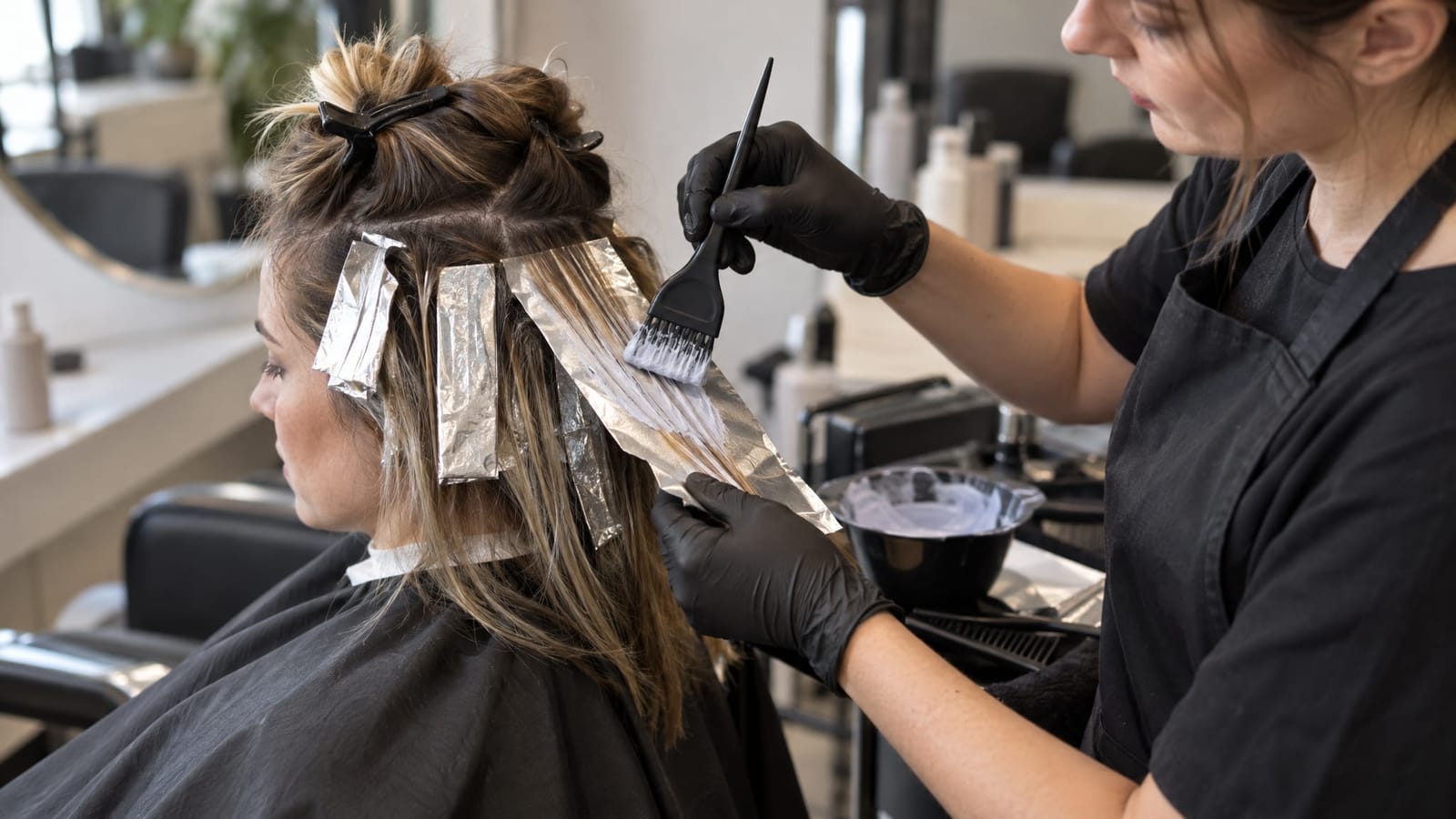
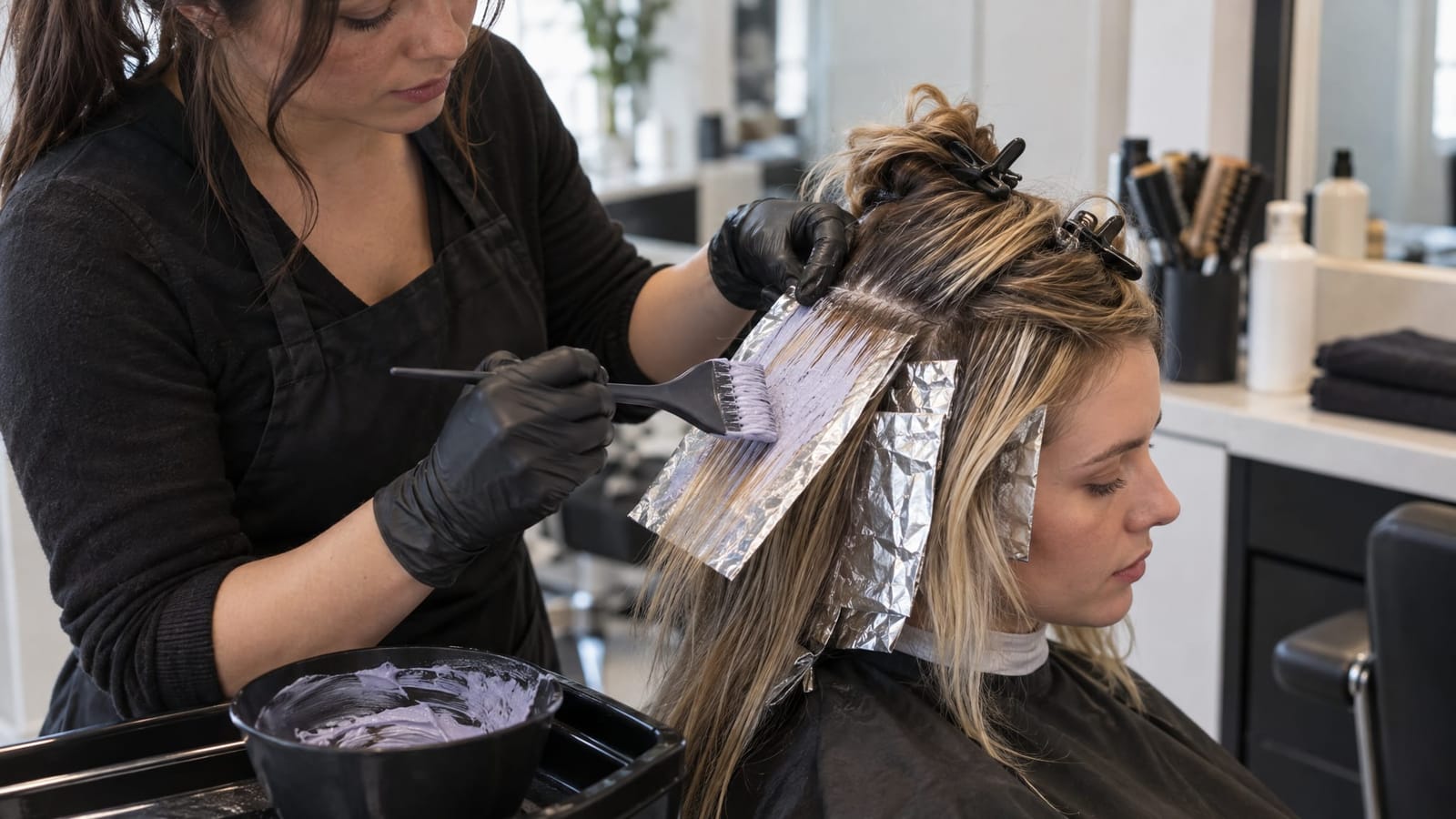
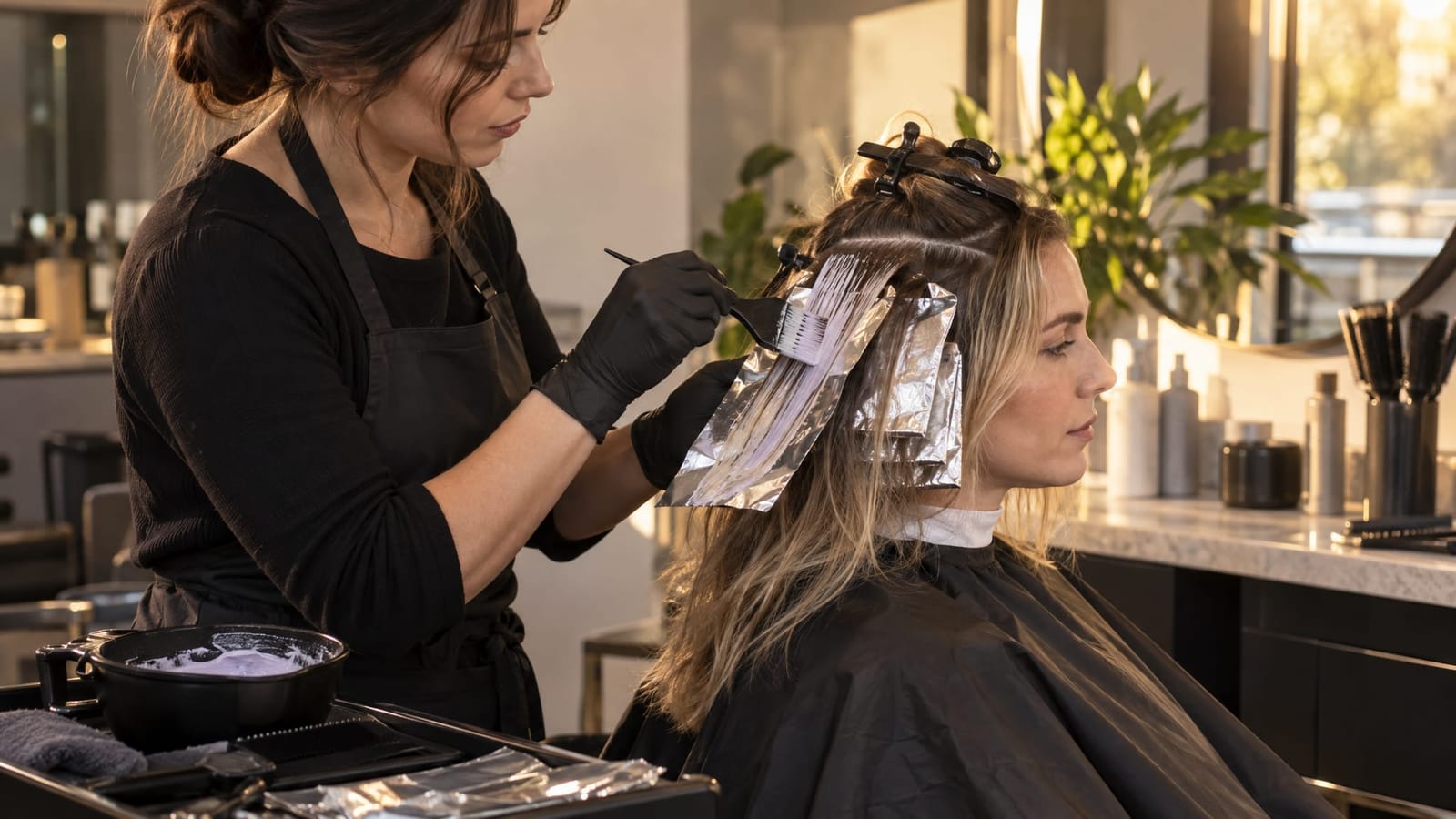
How Often Should You Get a Root Touch Up? A Stylist's Guide
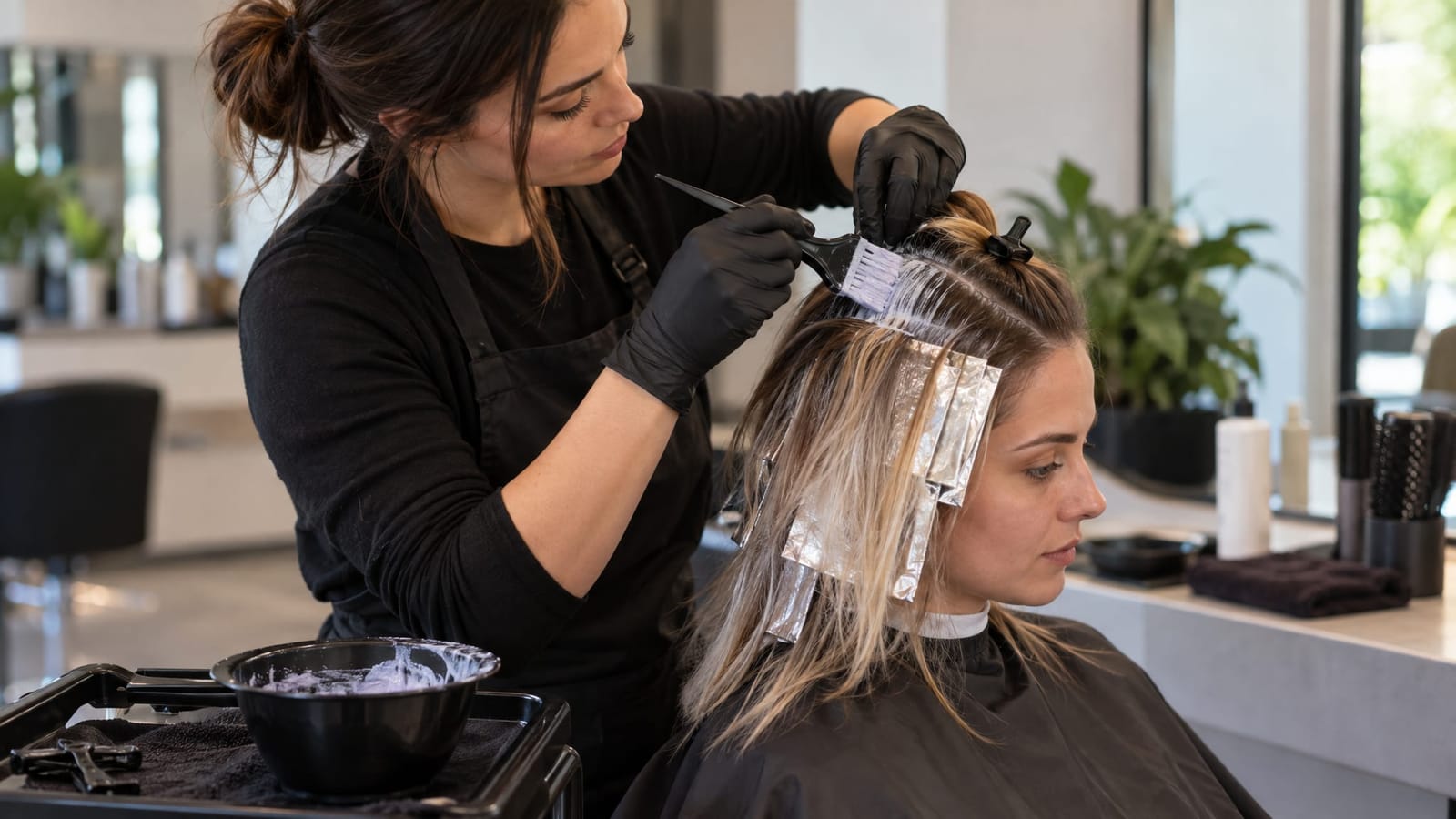
For permanent root color, a roughly monthly touch-up is a useful starting point if you want consistent gray coverage or very little visible regrowth. Color that closely matches your natural shade can often go longer. Scalp bleach needs a separate maintenance plan because lightening new growth is different from depositing color over it.
The best schedule balances how quickly your roots become noticeable, the type of color you have, and the look you want to maintain. Waiting longer does not automatically damage your hair, but it can make certain color services more involved.
1. Let Color Contrast Set Your Starting Schedule
Your hair keeps growing whether you color it or not. What changes is how easily you can see the new growth. A narrow strip of silver against deep brunette color may stand out sooner than natural brown roots beside a slightly warmer brown.
Use these general planning guidelines:
- Noticeable gray against darker permanent color: Start with a roughly monthly rhythm if a consistently covered hairline matters to you.
- Permanent color close to your natural shade: A longer interval can work when the transition remains soft and you are comfortable seeing some roots.
- Blended gray or an intentionally darker root: Let the overall shape of the color guide maintenance rather than treating the first visible root as a deadline.
- Scalp bleach: Follow a regrowth-based plan suited to the lightening service rather than borrowing a gray-coverage schedule.
For example, someone who wants complete gray coverage around the face will usually prefer more frequent maintenance than someone who likes a softly blended transition. Neither preference is wrong.
2. Separate Root Growth From Color Fading
Visible roots and faded color are different problems. Knowing which one bothers you prevents choosing a service that does not address the issue.
Permanent color
Permanent color changes the hair that receives it, while new growth comes through in your natural shade. Even when the lengths still look good, the root line can need attention. A root touch-up focuses on that new growth.
Demi-permanent and semi-permanent color
These color types generally soften or fade with washing. Whether they leave a noticeable root line depends on the shade, your starting color, and how much contrast the application creates. Maintenance may be driven by fading rather than regrowth.
Previously lightened hair remains lightened even after an added semi-permanent shade fades. A faded fashion color over blonde hair and dark natural roots are therefore two separate concerns.
Toner or gloss
A toner or gloss can adjust tone and refresh the appearance of color, but it is not interchangeable with permanent gray coverage or lightening dark roots.
At Salon Sanaa in Farmington Hills, we offer Signature Root Touch Up and Toner/Gloss as distinct services. The useful distinction is whether you want to address new growth, refresh the existing color, or both.
3. Track When Your Roots Actually Start Bothering You
Your previous color cycle offers a practical starting point for the next one. Instead of choosing a date only because it is familiar, notice when the result stops matching your preferred look.
- Check your usual part and hairline. These areas may show contrast before the rest of your hair does.
- Compare in similar lighting. Bright overhead light and soft indoor light can make the same regrowth look quite different.
- Separate tone from roots. Warm-looking blonde lengths do not necessarily mean your roots need another application.
- Consider your usual styling. A center part or pulled-back style can expose regrowth more clearly than a loose, textured style.
A quick photo when the roots first become distracting can help explain your preferred maintenance point. The goal is a schedule that fits your everyday appearance, not just how your hair looks immediately after coloring.
4. Know When Stretching Appointments Is Reasonable
Stretching appointments is often reasonable when your color is close to your natural shade, the transition is soft, and you are comfortable with some visible growth. Roots themselves do not damage the hair.
The tradeoff changes with scalp bleach. Hair close to the scalp processes differently because of scalp warmth. When regrowth becomes longer, achieving even lightening may require different application zones and more careful control. That can make the service more involved than routine maintenance.
Similarly, uneven at-home applications or overlapping different colors can turn a simple root service into work that needs correction. The added complexity comes from the condition and color pattern of the hair, not merely from missing a calendar date.
Longer gaps do not automatically mean a higher price. Extra application work, time, or corrective steps can affect the scope of the service. We offer both Bleach & Tone and Color Correction, which address different needs from a standard root touch-up.
5. Focus on Placement, Not Just Frequency
More frequent coloring is not automatically better maintenance. Repeatedly overlapping permanent color or lightener onto previously treated hair can contribute to unnecessary processing.
A useful maintenance discussion covers three things: how much new growth is present, what has already been applied to the lengths, and whether those lengths need any color refresh at all. Include recent at-home color changes, even if the shade has faded.
For a dark permanent shade, stretching the interval may mostly mean accepting a stronger root line. For scalp bleach, it can change the application approach. Those are different tradeoffs and deserve different schedules.
Frequently Asked Questions
Do visible gray roots mean my hair is growing faster?
Not necessarily. Light roots against darker color create strong contrast, making even a small amount of growth easier to notice. Visibility alone does not show that your growth rate has changed.
Can root powder or spray help between appointments?
Temporary root coverage can disguise contrast until it is washed out. It changes the appearance of regrowth, not its length or the work needed at the next color service.
Do I need all-over color at every root appointment?
No. If the lengths still have the tone and depth you want, new growth may be the only area needing color. Faded lengths can be assessed separately rather than automatically receiving another permanent-color application.
A Schedule That Matches Your Color
Use a roughly monthly rhythm as a starting point for noticeable permanent-color regrowth, then adjust for contrast and your preferred finish. Softer color can allow longer gaps, while scalp bleach benefits from a specific maintenance plan. The right appointment addresses what has changed without unnecessarily reprocessing what still looks good.