Hair Color Correction Cost in Farmington Hills: What Affects the Price
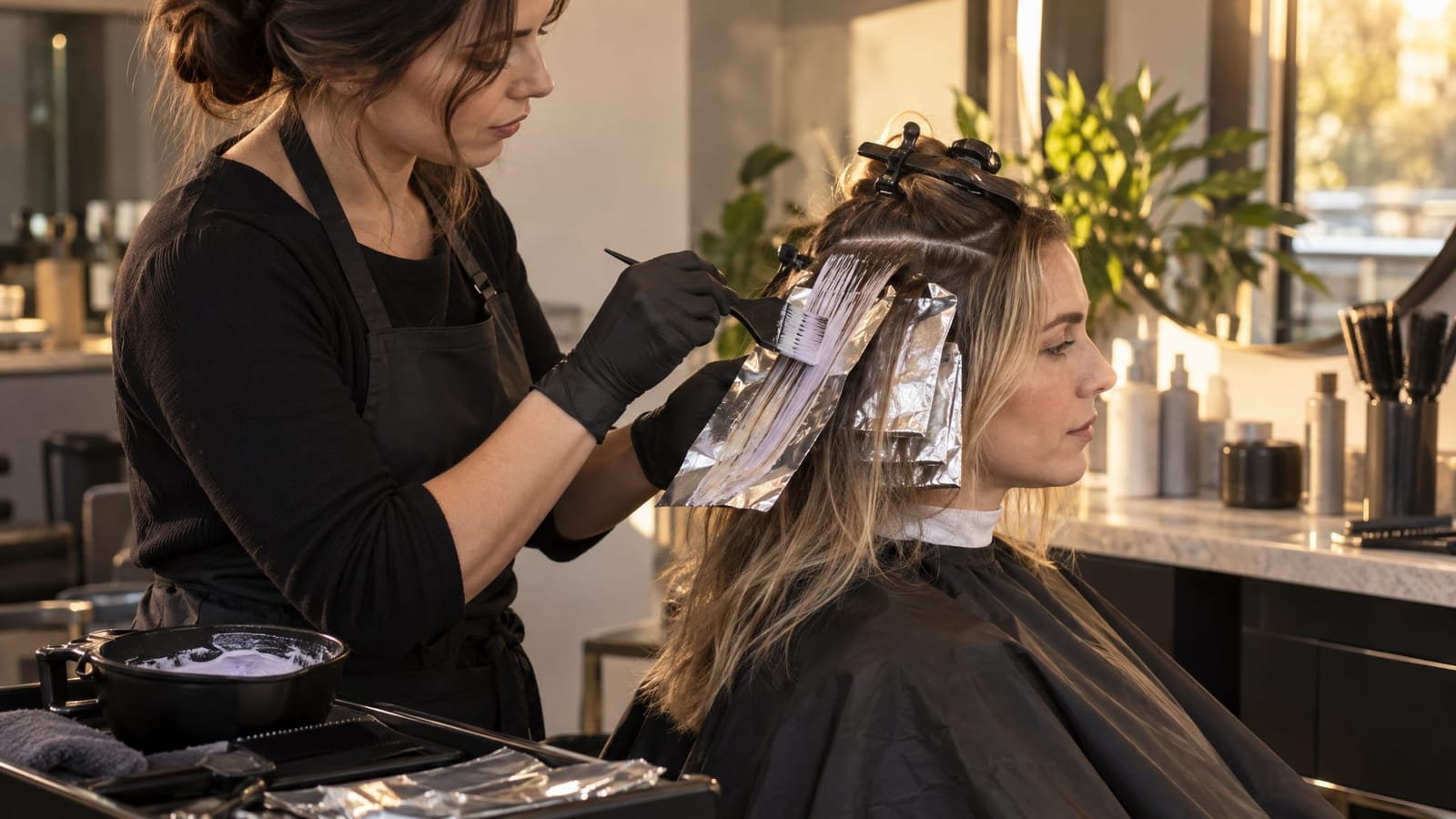
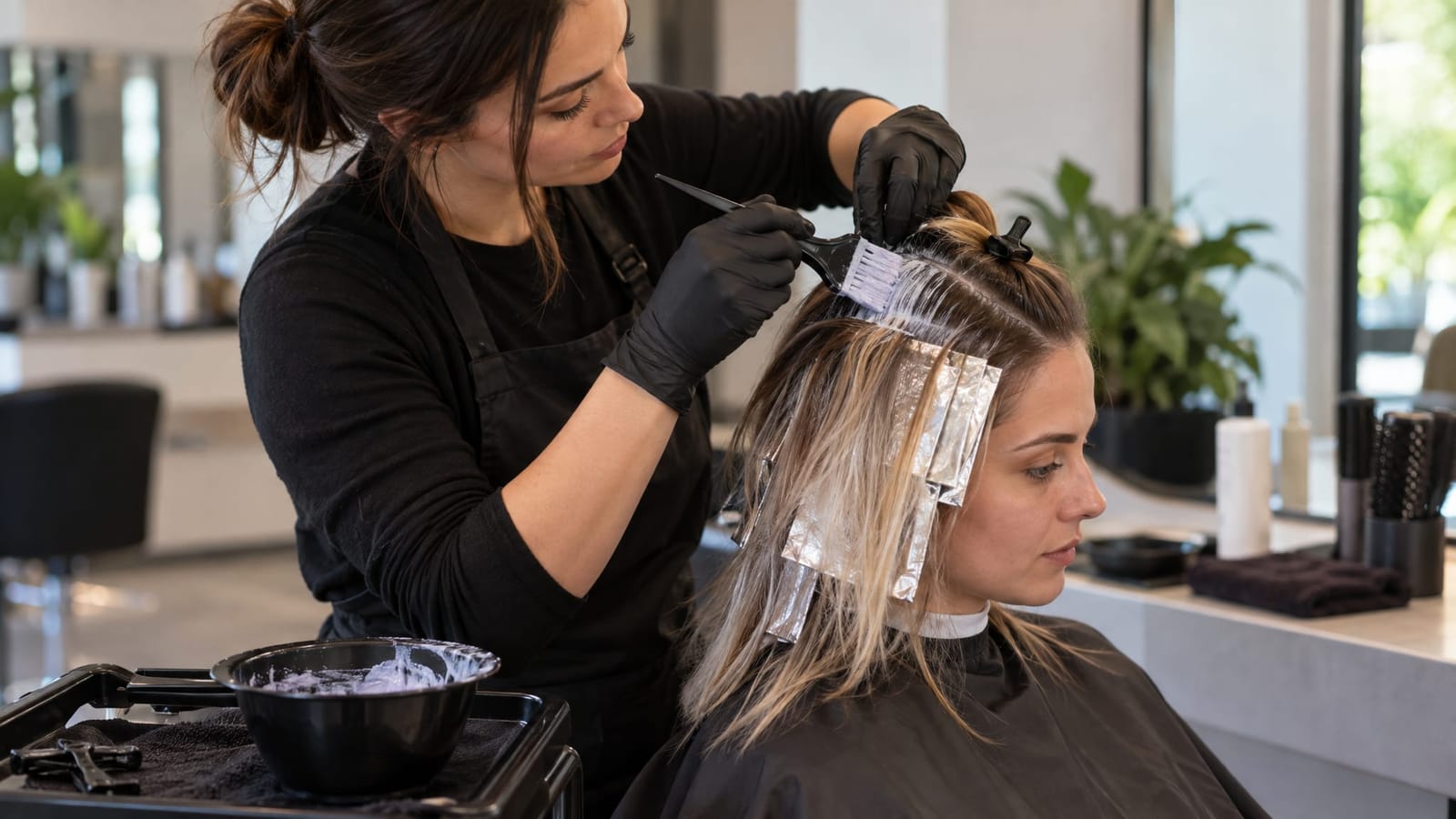
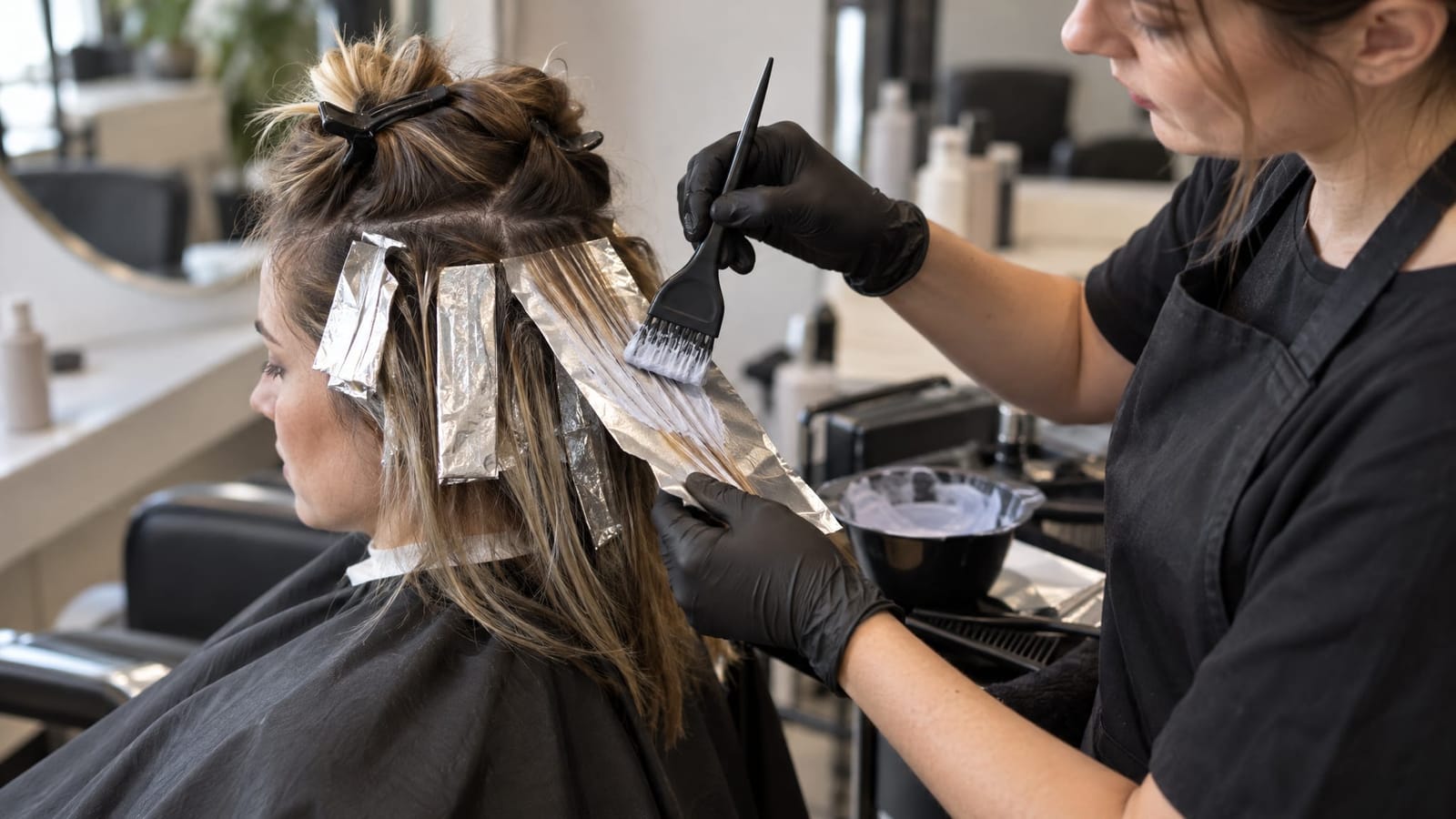
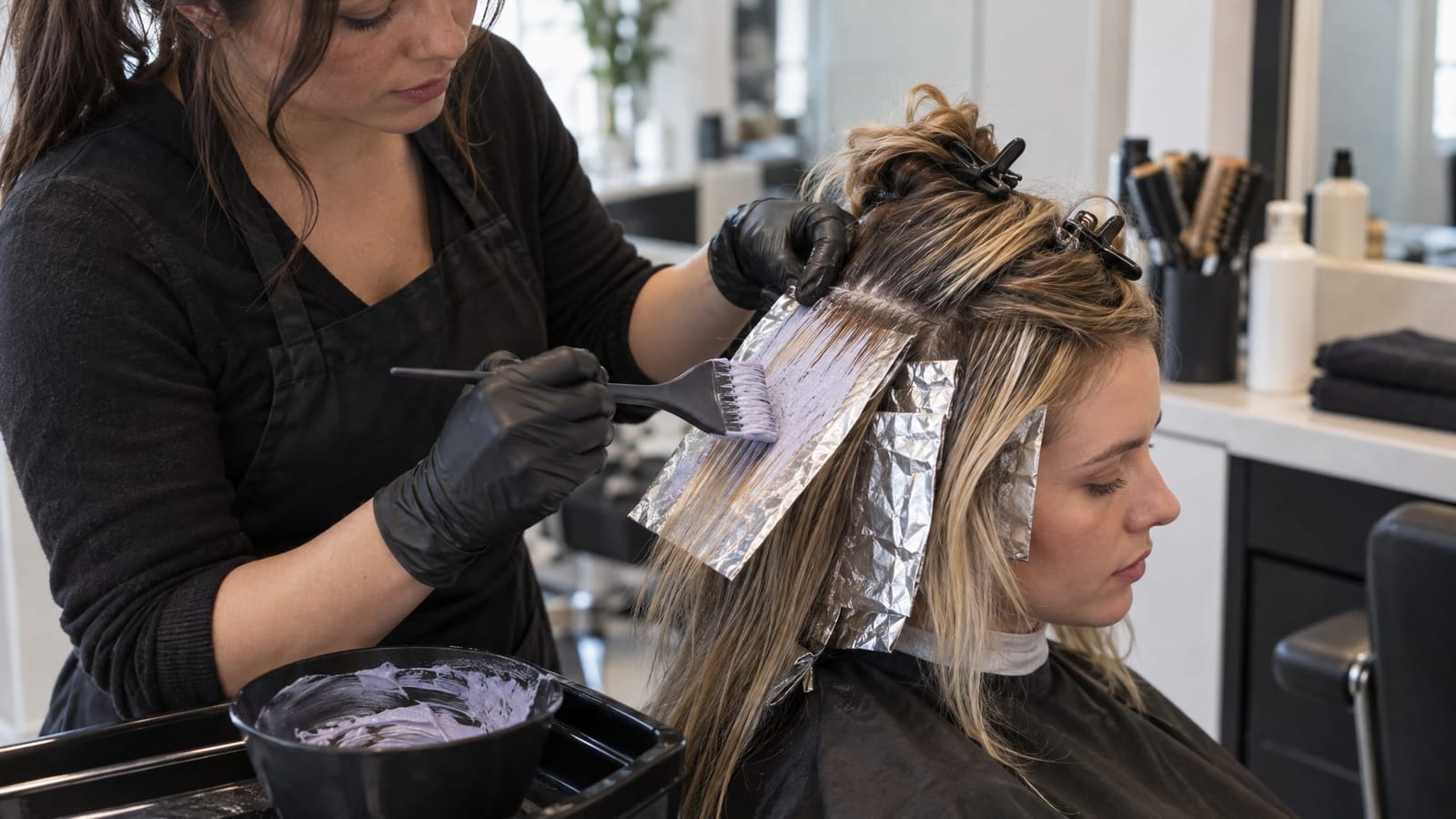
Hair color correction costs depend on the work needed to move from your current color to your desired result. A tonal adjustment generally costs less than correcting uneven dark dye, lightening it and creating a new shade. Hair length, density, color history and the number of appointments all affect the total.
When comparing color correction costs in Farmington Hills, the most useful question is: What does my hair need, and what does the estimate include? A lower starting price is not necessarily a lower total if additional corrective steps are needed.
A Simple Color Adjustment vs. a Full Correction
Not every disappointing color result needs extensive correction. The distinction matters because a routine color service and a multi-step correction involve different amounts of time and product.
| Current concern | Service approach | What affects the cost |
|---|---|---|
| Blonde looks too warm, but the lightness is right | A toner or gloss to adjust the tone | The tonal change needed and whether the color is even enough for toning alone |
| Roots and ends are noticeably different colors | Different formulas or techniques for separate sections | Section-by-section application and the amount of overlap or banding |
| Dark artificial color needs to become significantly lighter | Color removal or lightening, followed by tonal refinement | Previous dye buildup, hair condition and the amount of lift needed |
| Over-lightened hair needs to return to brunette | Replacing missing warm pigment before applying the target shade | Porosity, unevenness and the number of color applications |
For example, warming up an overly cool blonde is a different task from making dark bands match pale ends. Both involve unwanted color, but the second requires more selective work.
What Changes a Color Correction Estimate?
Hair length and density
Longer hair needs more product and takes longer to section, apply color to and dry. Density matters separately: a short, very thick hairstyle can require more work than longer, fine hair. Comparing estimates by length alone misses part of the picture.
Color history and unevenness
Repeated permanent color applications can leave more pigment through the lengths than at the roots. Previous highlights, overlapping lightener and faded color also create sections that respond differently.
This is why applying one formula everywhere is not always an effective correction. The roots may need a different approach from the ends. Selective application adds time, but it addresses the actual mismatch rather than covering the whole head again.
Products and corrective steps
A correction may involve color remover, lightener, replacement pigment, permanent or demi-permanent color, and toner. These products do different jobs. Toner changes tone; it does not replace the lightening needed when hair is too dark.
Compare the purpose of each step rather than simply counting products. A conditioning treatment can improve softness and manageability, but it does not perform the same job as removing unwanted pigment or balancing color.
The goal and the number of visits
The greater the change from the starting color, the more involved the plan. Previously colored dark hair becoming blonde is a different commitment from keeping a brunette shade and evening it out.
A strand test helps a colorist assess how the hair responds before a broader application. Hair condition and that response help determine whether the goal is suitable for one appointment or a staged approach. Spreading work across visits changes both the immediate expense and the overall budget.
DIY Correction vs. Professional Correction
DIY color has a lower upfront purchase cost, but another box of dye does not necessarily solve the underlying problem. Permanent color does not reliably lighten previously dyed hair, and putting the same shade over uneven sections can leave the unevenness visible.
The practical comparison is between buying another product and paying for an assessment, targeted application and the time needed to manage different areas.
- Adding darker dye: This can disguise some variation, but additional pigment can make a later lighter result more involved.
- Applying lightener throughout: Already-light sections receive more processing even when only the darker areas need attention.
- Correcting professionally: A colorist can separate the problems, choose an approach for each area and assess progress during the service.
Professional correction is not a promise of an exact shade in one visit. Its value lies in matching the process to the hair rather than repeating an all-over application.
How to Compare Estimates Fairly
At Salon Sanaa in Farmington Hills, we offer color correction, toner/gloss and all-over color, with the best prices in the area. A meaningful price comparison still starts with matching the scope of the work.
These questions help distinguish a starting figure from a complete correction plan:
- What result does this estimate cover? An even brunette and a much lighter blonde are different projects.
- How is the service priced? Clarify whether the estimate reflects time, individual steps or the planned service as a whole.
- What is included? Separate corrective color, toner, treatments, haircut and finishing services.
- Does it cover one visit or the full plan? An initial appointment total may not represent a staged correction.
- What could change the estimate? Discuss how additional applications or a revised goal would affect the scope.
Frequently Asked Questions
Can a photo provide an accurate correction estimate?
Photos help communicate the color concern and desired result. Lighting and filters can alter the appearance, though, and a photo cannot show how hair responds to processing. An in-person assessment gives a fuller basis for planning.
Does old dye matter if it looks faded?
Yes. Fading does not mean all artificial pigment has disappeared. Previous color through the lengths still matters when planning lightening or correcting unevenness, even when it was applied months earlier.
What information is useful before a correction?
A timeline of previous color, bleach, henna and smoothing services helps explain the starting point. Product names or packaging photos are useful, along with pictures of both the desired color and an acceptable intermediate shade.
The Bottom Line
The fairest color correction comparison weighs the intended result, corrective steps and total appointment plan. Separating essential correction from optional services makes the estimate easier to understand and helps keep the goal aligned with the budget.