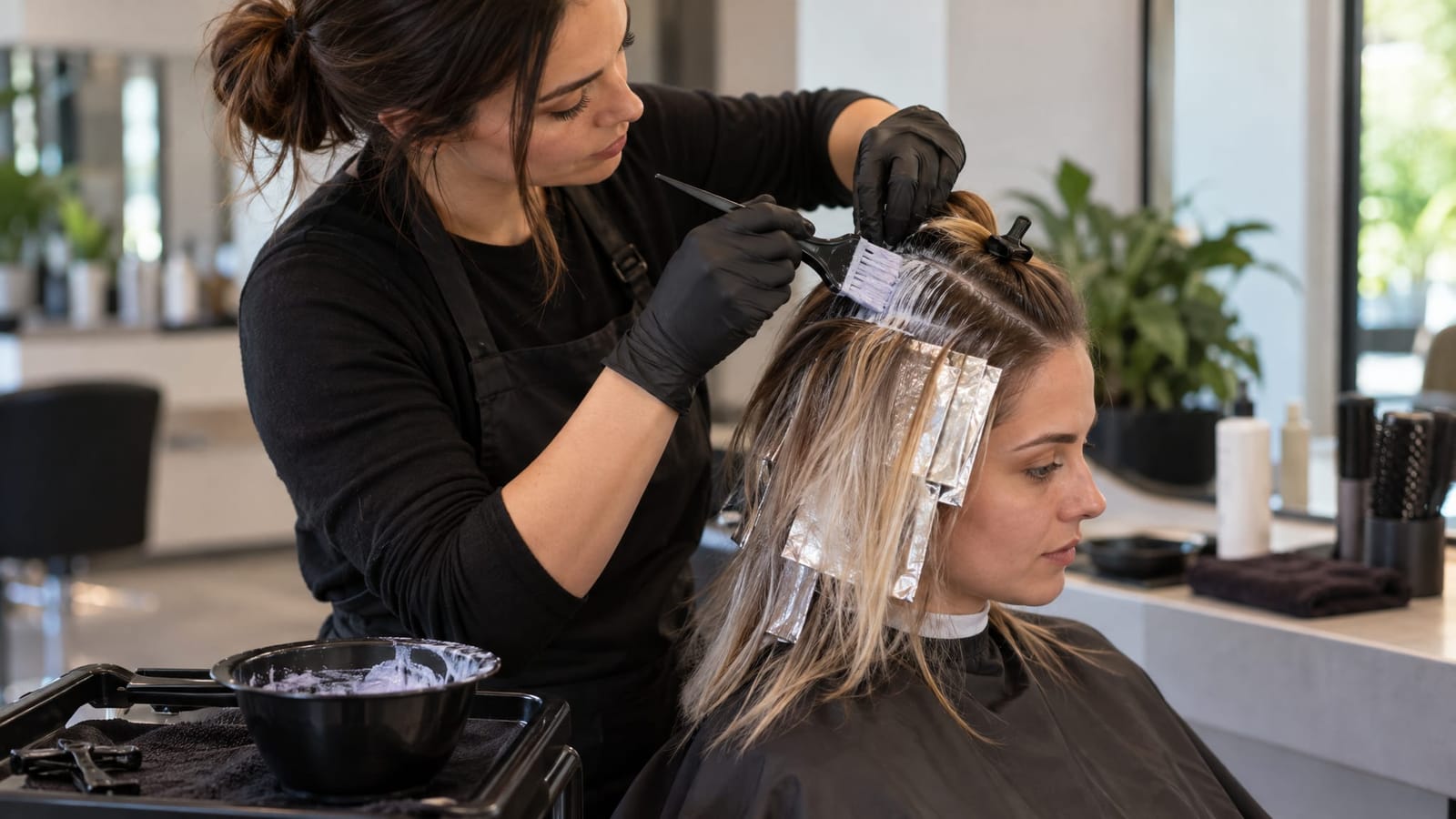
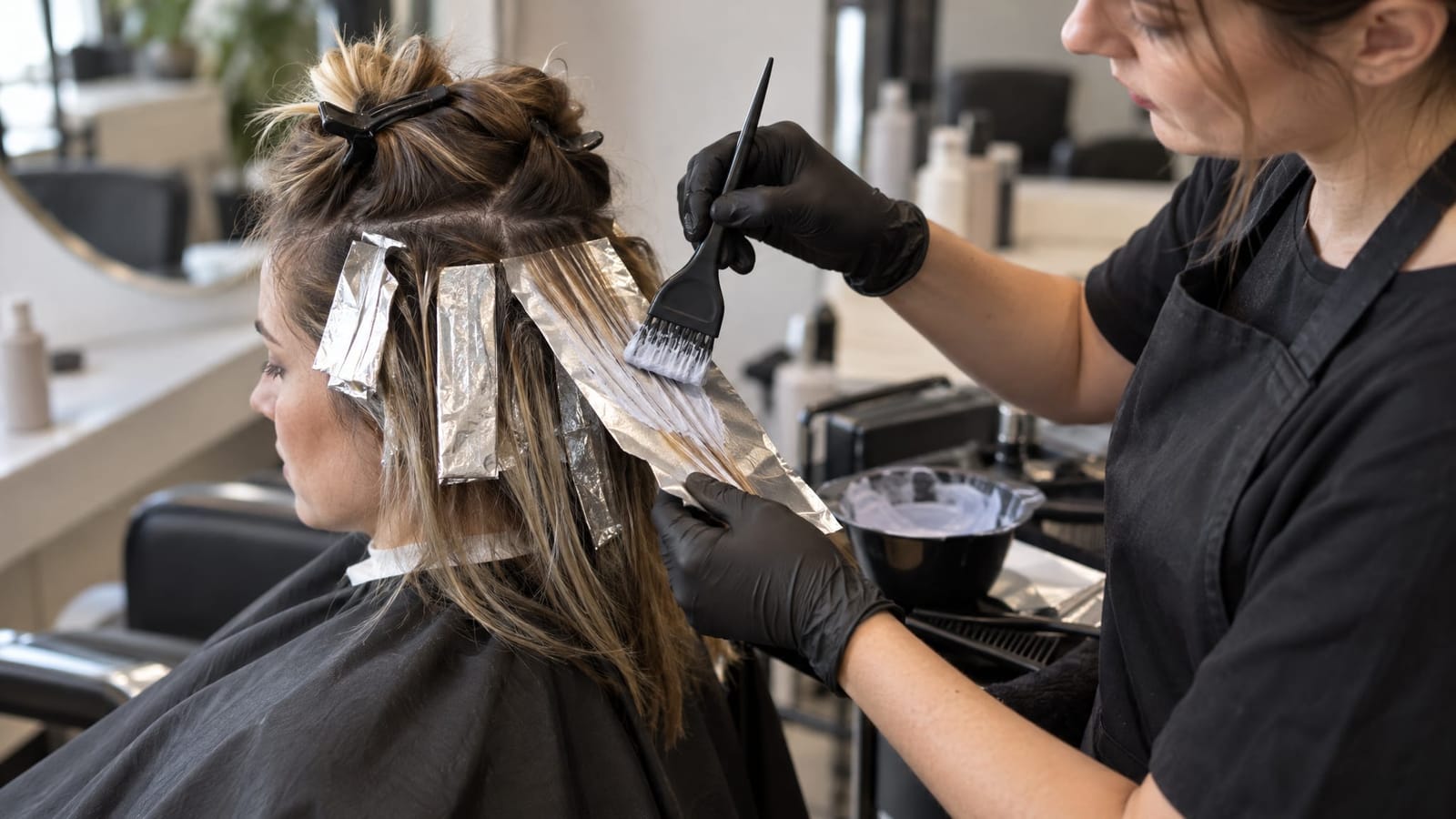
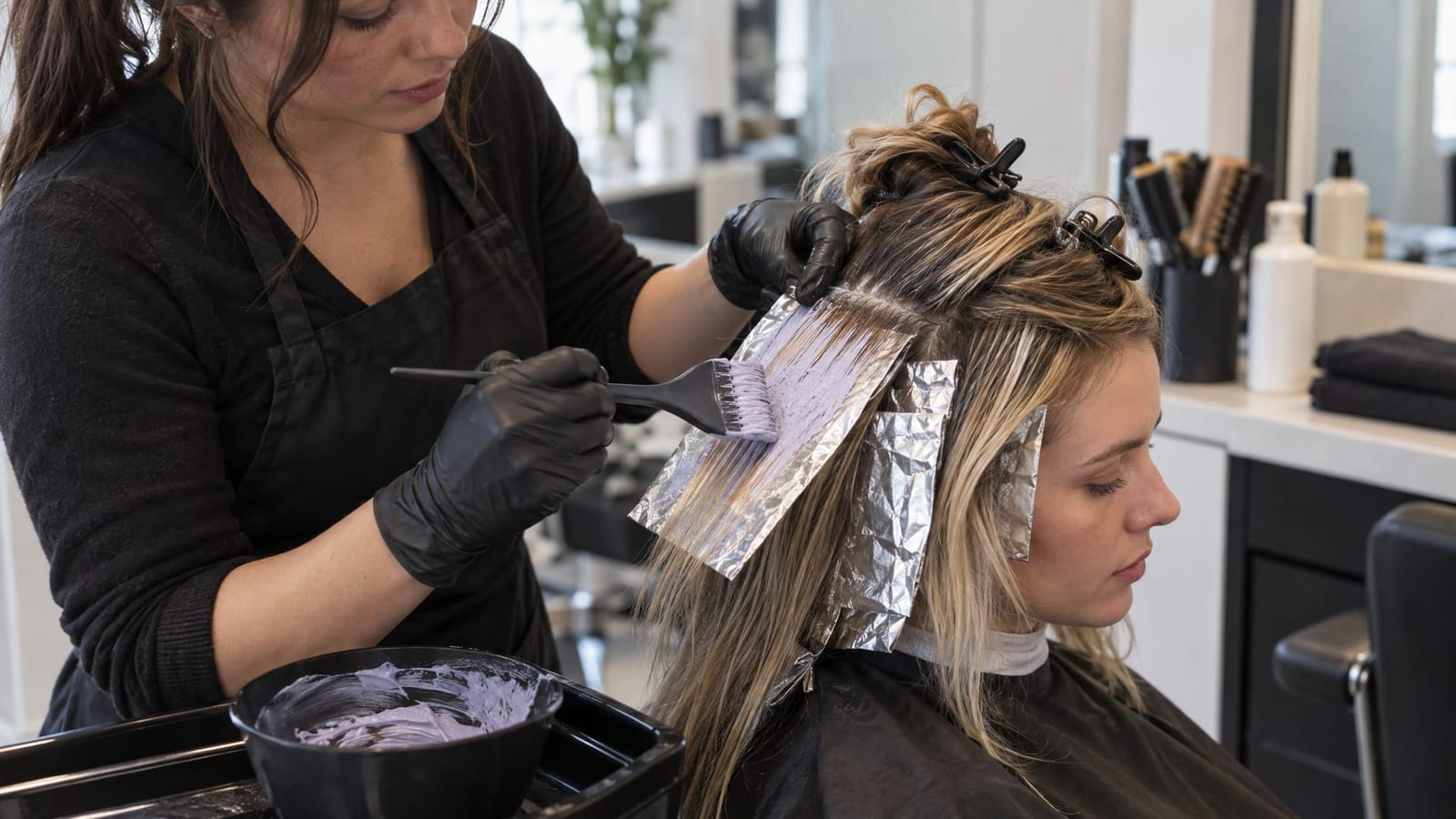
Can You Get a Root Touch Up Without Damaging Your Hair?
Yes, it is possible to touch up roots without noticeable dryness or breakage. However, permanent dye and lightener change the hair, so the goal is to minimize damage rather than assume the process is completely damage-free.
The biggest factors are what goes on your roots, whether it overlaps previously processed hair, and how your hair is holding up between appointments. Frequent coloring becomes more concerning when the same sections are processed repeatedly. These tips can help you understand the difference between maintaining your color and overworking your hair.
1. Match the Root Service to the Color Goal
“Root touch-up” describes where color is applied, not one single chemical process. Covering gray with permanent color is different from lightening dark regrowth to match a blonde finish.
- Gray coverage: Permanent color can provide fuller coverage, while a demi-permanent option can blend gray with a softer, more translucent result.
- Maintaining a darker shade: The new growth needs a formula that matches the existing color without repeatedly darkening the lengths.
- Maintaining a light blonde: Regrowth lightening requires particular attention to the boundary between natural hair and previously lightened hair.
A stronger formula is not automatically a better formula. The useful question is whether the color process matches the amount of lift or coverage needed.
2. Keep Root Color Off Already-Processed Lengths
Overlap happens when a root formula extends onto hair that has already been colored or lightened. Repeated processing can leave that area more fragile. With permanent color, unnecessary overlap can also create darker bands or buildup.
For example, if your roots are gray but your brown lengths still look good, applying permanent brown color from scalp to ends exposes hair that does not need another full application.
If the lengths have faded, that is a separate decision. They may need a targeted tone refresh rather than the same formula used on the roots. A gloss is not automatically necessary at every visit, either. Its purpose is to address the condition and tone of the lengths, not simply add another processing step.
3. Look for Precision, Not Just a “Professional” Label
Box dye is not inherently damaging simply because it comes in a box, and salon color is not automatically harmless. The meaningful difference is the ability to tailor the formula and application to your natural color, gray coverage needs, and previous processing.
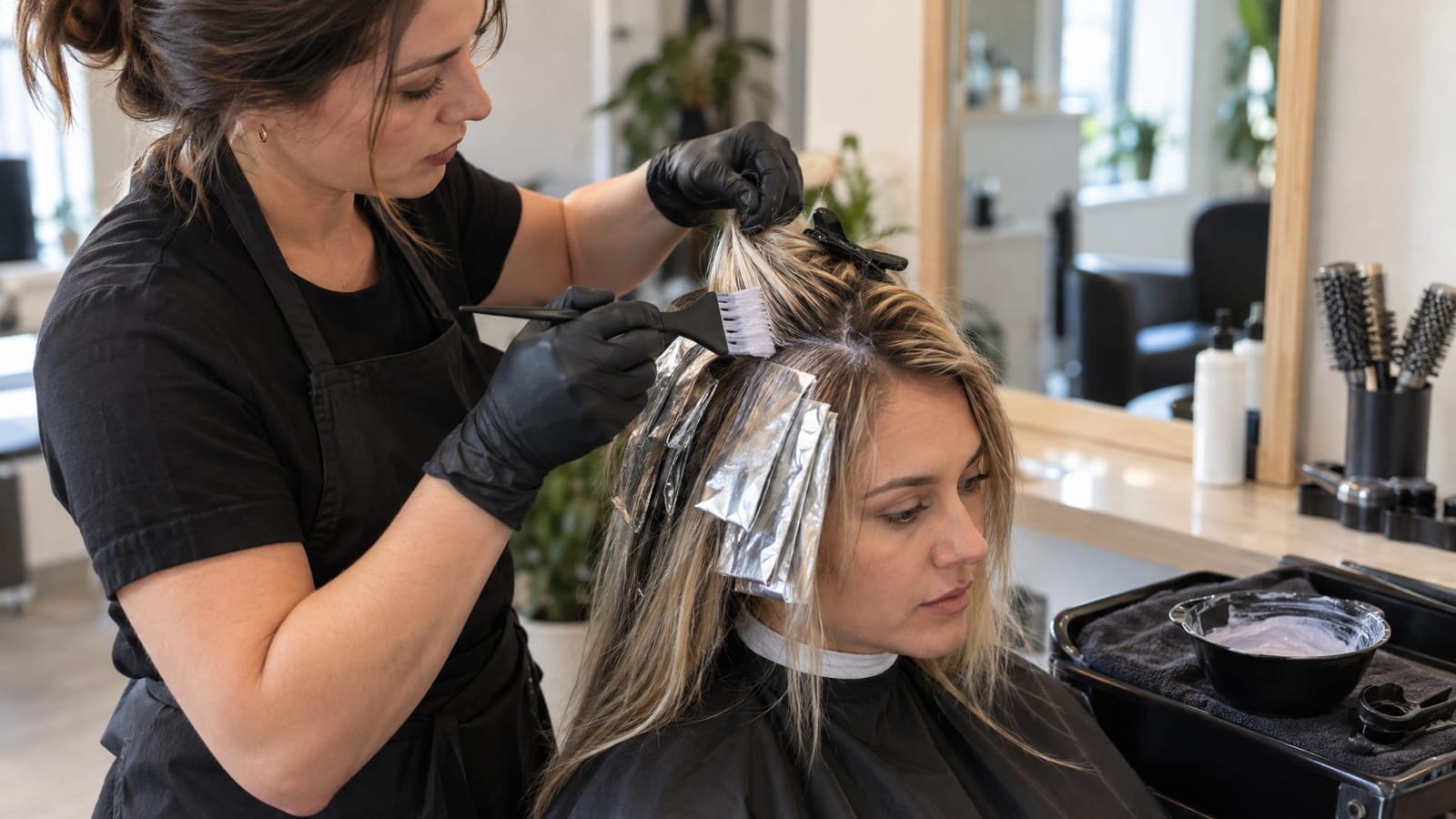
Professional application allows for fine sectioning, clearer visibility around the back of the head, and separate treatment of areas with different needs. At home, it is easier to miss regrowth or cover too much of the previously colored hair while trying to reach it.
At Salon Sanaa in Farmington Hills, we offer Signature Root Touch Up, Toner/Gloss, and Color Correction. These address different concerns, which matters when new growth, fading, and uneven color appear together. One all-over application is not the answer to every color problem.
4. Base Timing on Regrowth and Hair Condition
There is no single interval that makes every root touch-up safe. Gray contrast, your natural shade, the color process, and the condition of your hair all influence a sensible maintenance pattern.
Touching up very small amounts of regrowth can make precise placement harder. Waiting much longer is not automatically better, especially with blonde maintenance, where a larger regrowth area can require a different application approach.
Our guide to how often to get a root touch-up explains the scheduling factors in more detail. Between appointments, temporary root powder or spray can disguise visible regrowth without another permanent-color application. It changes the appearance of the roots, not their underlying color.
5. Use Conditioning for Support, Not Permission to Overprocess
Conditioner helps improve slip, softness, and manageability. That matters because tangled, rough-feeling hair takes more effort to comb and style. A conditioning mask can be useful when the lengths feel dry, while a lighter conditioner may suit hair that becomes weighed down easily.
We offer Conditioning Treatment and Treatment & Style services alongside our color services. Conditioning supports how hair feels and handles, but it does not erase repeated chemical processing.
Bond-focused products also differ in what they do. They are not a reason to overlap lightener or extend processing time. The most important protection still happens during the color service: an appropriate formula, controlled placement, and processing according to the product directions.
6. Reduce Everyday Wear Between Touch-Ups
Color is only part of the picture. Rough detangling and repeated high heat can add stress to already-processed lengths.
- Detangle in sections: Start at the ends and work upward instead of pulling a brush through knots from the roots.
- Condition the lengths: Focus on areas that feel rough or catch during combing.
- Limit repeated heat passes: Use a heat protectant as directed and the lowest effective tool setting.
- Handle drying gently: Blot or squeeze out water rather than vigorously rubbing the hair with a towel.
These habits cannot make chemically processed hair untouched again, but they can reduce additional wear while you maintain your color.
7. Separate Breakage Concerns From Scalp Reactions
Short snapped hairs, increasing tangles, and ends that feel unusually rough are reasons to reassess the color plan before repeating it. Include previous lightening, home color, and chemical straightening or smoothing in that discussion. The history of the lengths matters even when only the roots are being colored.
Scalp irritation is a different issue from dry hair. Follow the color product’s allergy-alert testing instructions; previous trouble-free use does not rule out a later reaction. If coloring causes burning, swelling, or a rash, discontinue the product and seek guidance from a licensed medical professional for your individual situation.
Common Questions About Root Touch-Ups and Damage
Does leaving hair dirty protect it from color damage?
Unwashed hair is not a reliable shield against chemical damage or an allergic reaction. Heavy oil, dry shampoo, or styling-product buildup is not a substitute for careful application. Preparation depends on the product and service, so follow the preparation instructions for your appointment.
Can a root touch-up fix color that is too dark?
A standard root touch-up targets new growth. It does not reliably lighten previously dyed lengths. If the lengths are too dark or banded, treating that as a separate color-correction concern helps avoid repeatedly adding more color to the problem area.
Will a trim prevent damage from my next touch-up?
A trim removes split or worn ends and can make detangling easier. It does not protect the roots from processing or compensate for overlap. Cutting and careful color application solve different problems.
The Key Is Targeted Maintenance
A lower-damage root routine treats new growth without unnecessarily reprocessing the rest of your hair. The right formula, precise placement, and a maintenance schedule suited to your color do more than adding treatments after every appointment. Conditioning and gentle styling then support the hair between visits.